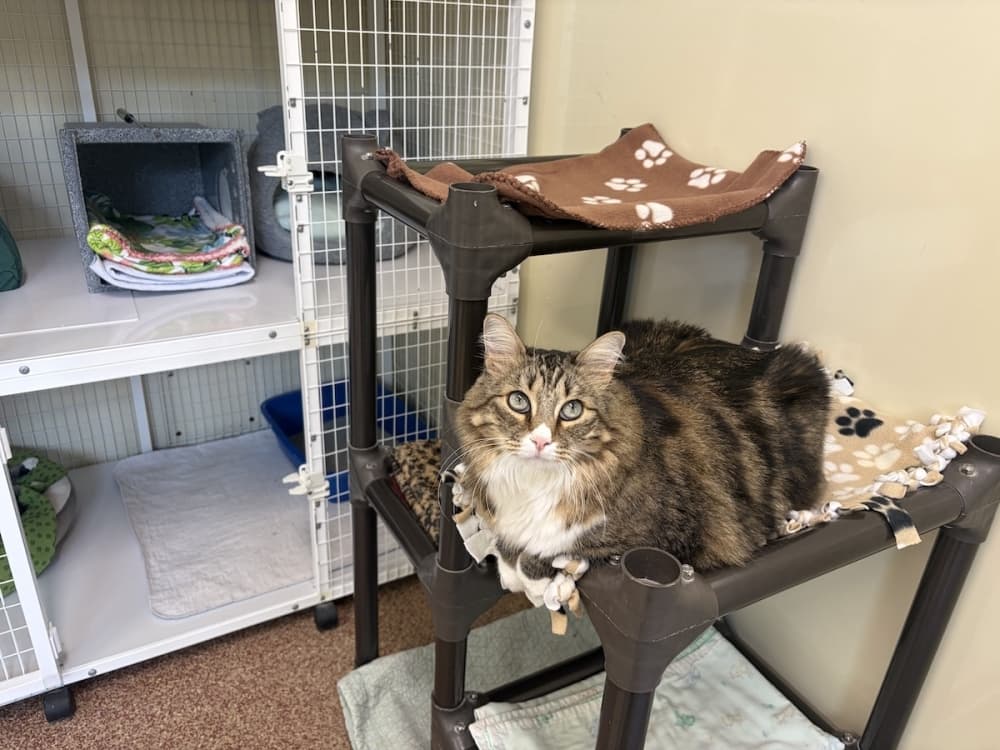
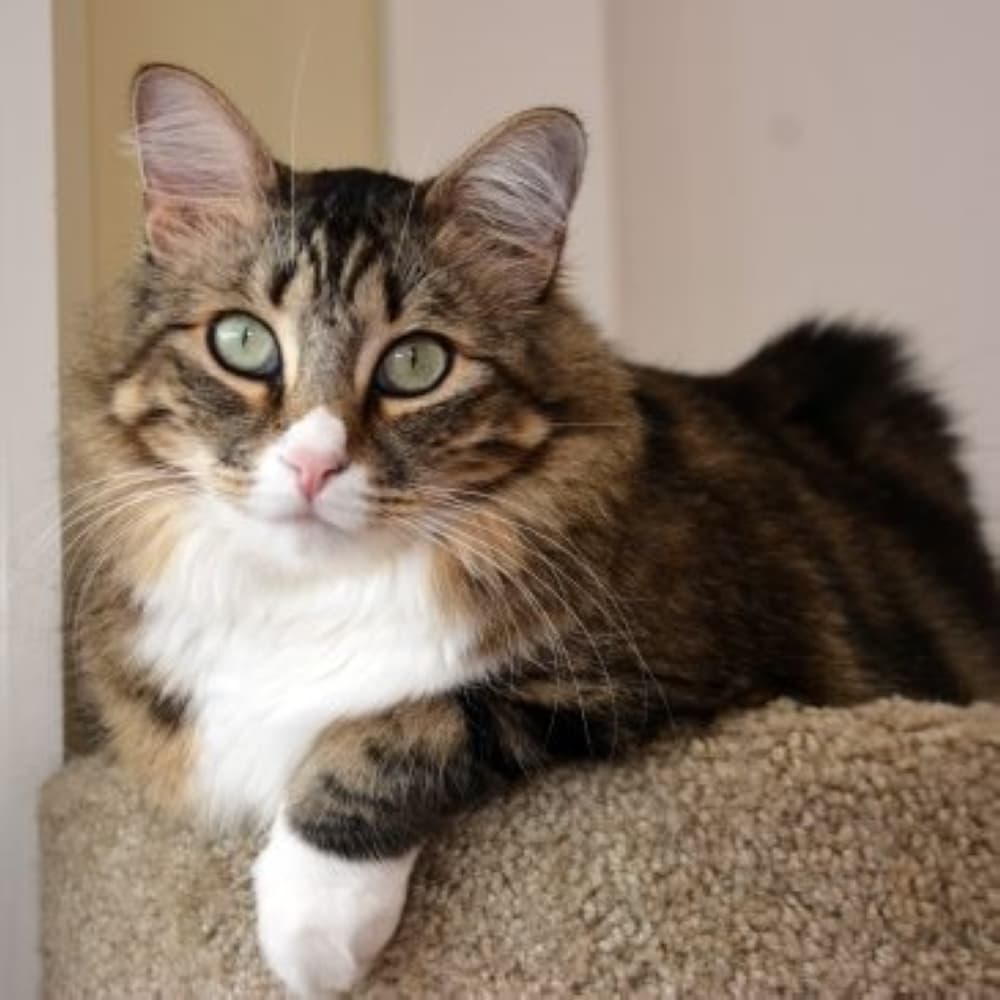
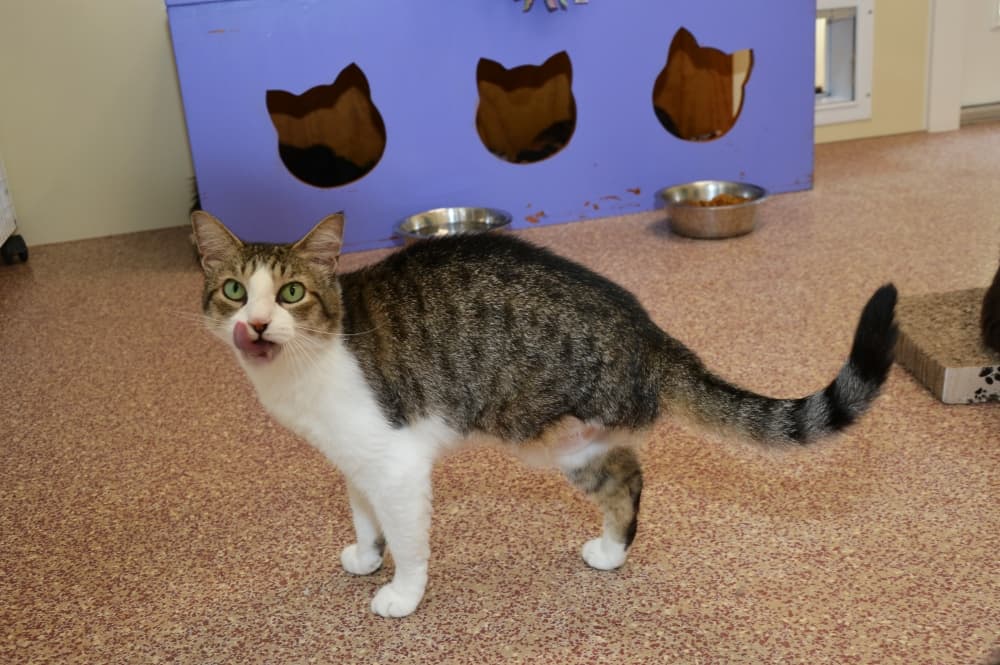
Greta is one of the many cats living safely and happily at Shadow Cats. (Darcy Sprague/Community Impact)
Editor's note: The article previously incorrectly used the word "late" in reference to Smith's husband.
Everyone knows that the labor of love is being there through the good and the bad, and that is what drives Shadow Cats staff and volunteers to care for medically difficult, terminally ill and otherwise difficult-to-place cats.
“We don't focus on the loss—it's a huge part of what we do—but we focus on the joy that they have while they're here, be it long or short, their lives,” founder Shelia Smith said.
The nonprofit, now almost 30 years old, started in the home of Smith, a registered nurse, and her husband, a veterinarian. Initially, Smith wanted to help the feral cats she saw through Trap-Neuter-Return. TNR is a humane method to manage outdoor community cats by trapping them, spaying or neutering them, and returning them to their outdoor homes.
However, Smith quickly began seeing cats she could not release back into the wild—cats missing legs or with obvious medical issues.
“Once you keep a cat for any period of time, you look in those eyes, and you think of what you’re returning them to,” Smith said.
The background
In 2009, Smith’s personal cat, Cookie Warrior Princess, contracted the feline leukemia virus. In the years that followed, Smith and the team learned more about FeLV-positive cats—both how to care for them and how to give them happy, comfortable lives regardless of their prognosis.
Smith credits Cookie Warrior Princess for expanding the organization's mission and leading to the sanctuary that exists now.
In 2019, the organization moved into a converted residential property off a quiet street with the help of volunteers. Dozens of cats roam cage-free in different sections of the house, each designed to keep cats safe and enriched. All cats have access to outdoor "catios"—cat-safe patios—toys, blankets and loving staff and volunteers.
"They are the cats that fall through the cracks. They're the cats that nobody wants. They're the cats that there's nothing else for them. So, they come to us,” Shadow Cats President Jacki Quaile said.
Meet the residents
One of the residents, Greta, achieved minor internet fame after a volunteer's TikTok about her racked up nearly a million likes. She's also FeLV-positive. (Courtesy Shadow Cats)
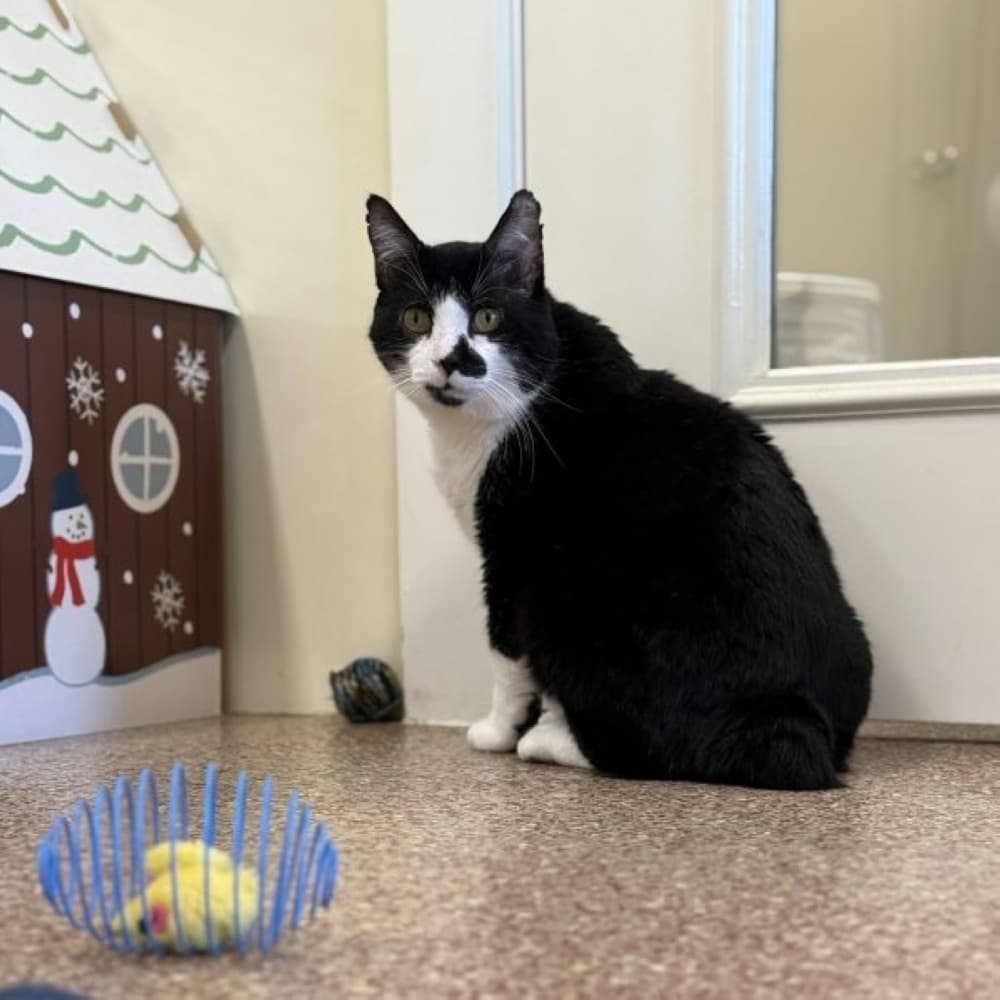
Snarky is one of the cats living at Shadow Cats. (Courtesy Shadow Cats)
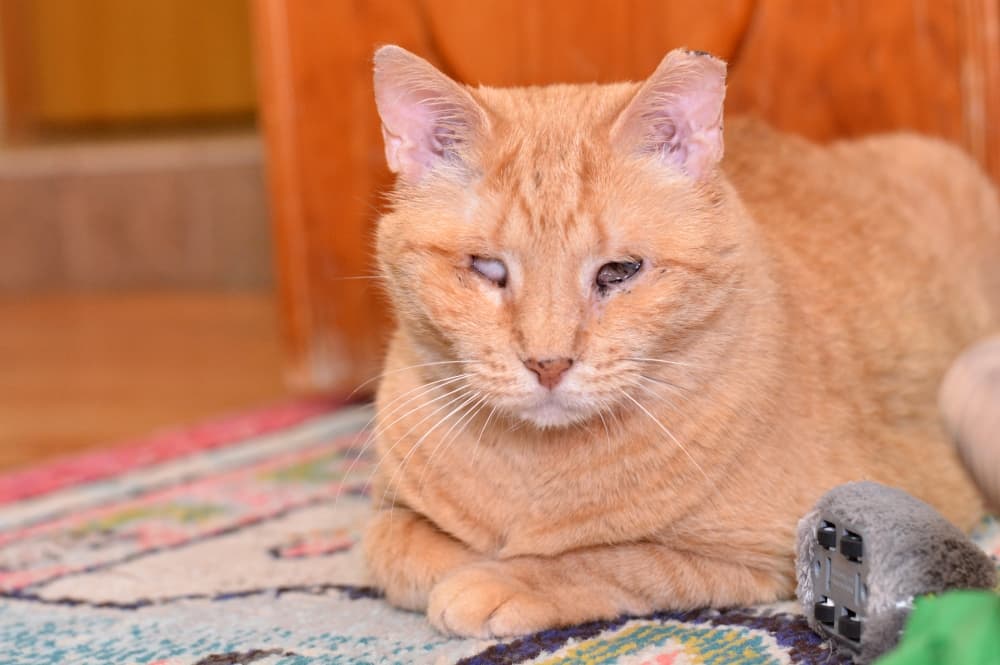
Suzy lived as an outdoor cat for 10 years with only one eye. After she was suspected of having been bitten by a snake, she lost vision in her remaining eye and could no longer live safely outdoors. (Courtesy Shadow Cats)
Stitch had a case of mange so severe that his rescuers could barely even tell he was a cat. (Courtesy Shadow Cats)
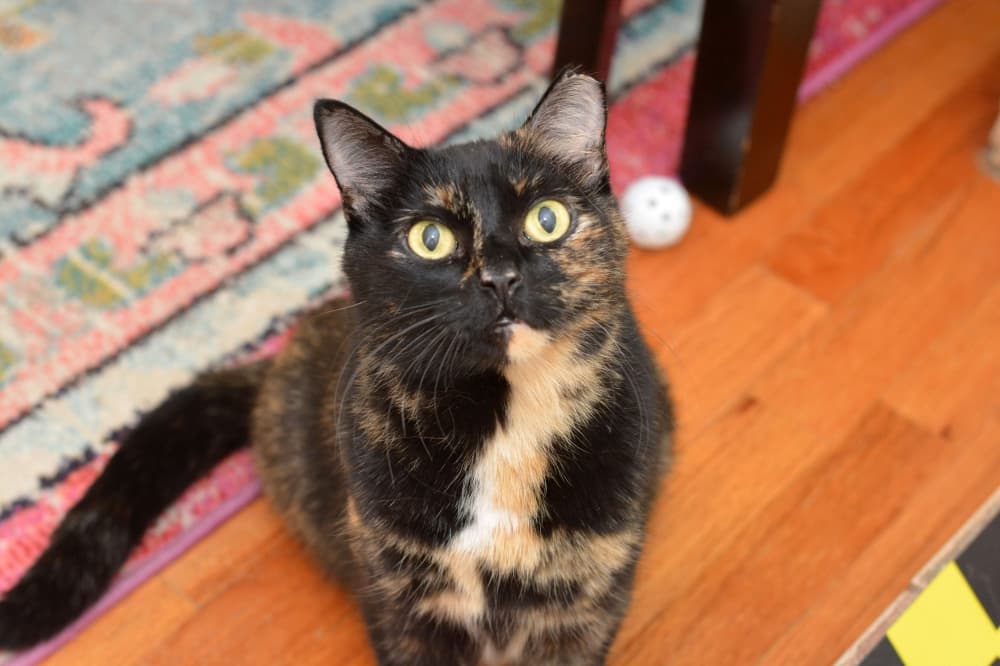
Violet had one of her legs amputated during a spay surgery. She was adopted, but later abandoned before Shadow Cats received a call that she was in need of help. For nearly a decade, she could not be touched, but in the last six months, a 'switch flipped,' and she now actively seeks out affection. (Darcy Sprague/Community Impact)
The future
More than 80% of the cats and kittens entering area shelters come not from previous owners, but from community, or feral, cat populations, according to Shadow Cats staff.
That’s why TNR remains fundamental to the organization nearly 30 years after it started. In Central Texas's mild climate, kitten season increasingly runs nearly year-round rather than the traditional spring-through-fall window, meaning stray cats multiply exponentially without TNR programs.
There are challenges ahead: veterinary costs have climbed industry-wide, squeezing rescue budgets everywhere—though the organization said its main provider, Vista Vet, has been an incredible partner in helping them care for cats. Additionally, Smith and others are focused on ensuring that Shadow Cats and other TNR programs will be around for decades to come.
Daily, the focus is on giving cats their best possible lives. For some, that could mean adoption. The organization thoroughly vets future owners to ensure they are the right fit. And “once a Shadow Cat, always a Shadow Cat” has become an unofficial model. The organization is committed to taking back any former resident who ends up needing a safe space again. Others will spend their days watching cat-TV, enjoying their special patios and being given the space or cuddles they want.
"We focus on the joy that they have while they're here," sanctuary manager Kearstin Franz said, "and the joy that they bring us."
How to get involved
Shadow Cats staff said there are many ways to support the organization, including:
Volunteering: There is no pressure to adopt; cats are already safe at the sanctuary and simply need people willing to share their time and compassion.
Sponsoring a room or a cat: For $25, supporters can sponsor an entire room at the sanctuary, helping provide a stable source of funding and an option for anyone who does not want to get too attached to a particular resident, or sponsor a special cat that catches their heart.
Buying a memorial brick: Bricks in the sanctuary's memorial garden can honor the memory of a beloved pet or person.
Donating to the One Life Fund: Contributions help community members cover unexpected veterinary expenses for community cats.