A recent report on disciplinary actions in Round Rock ISD shows out-of-school suspensions and alternative school placements are declining, as in-school suspensions rose slightly.
District administrators said this is due to a targeted effort to keep students on campus and, if possible, in the classroom.
What's changed
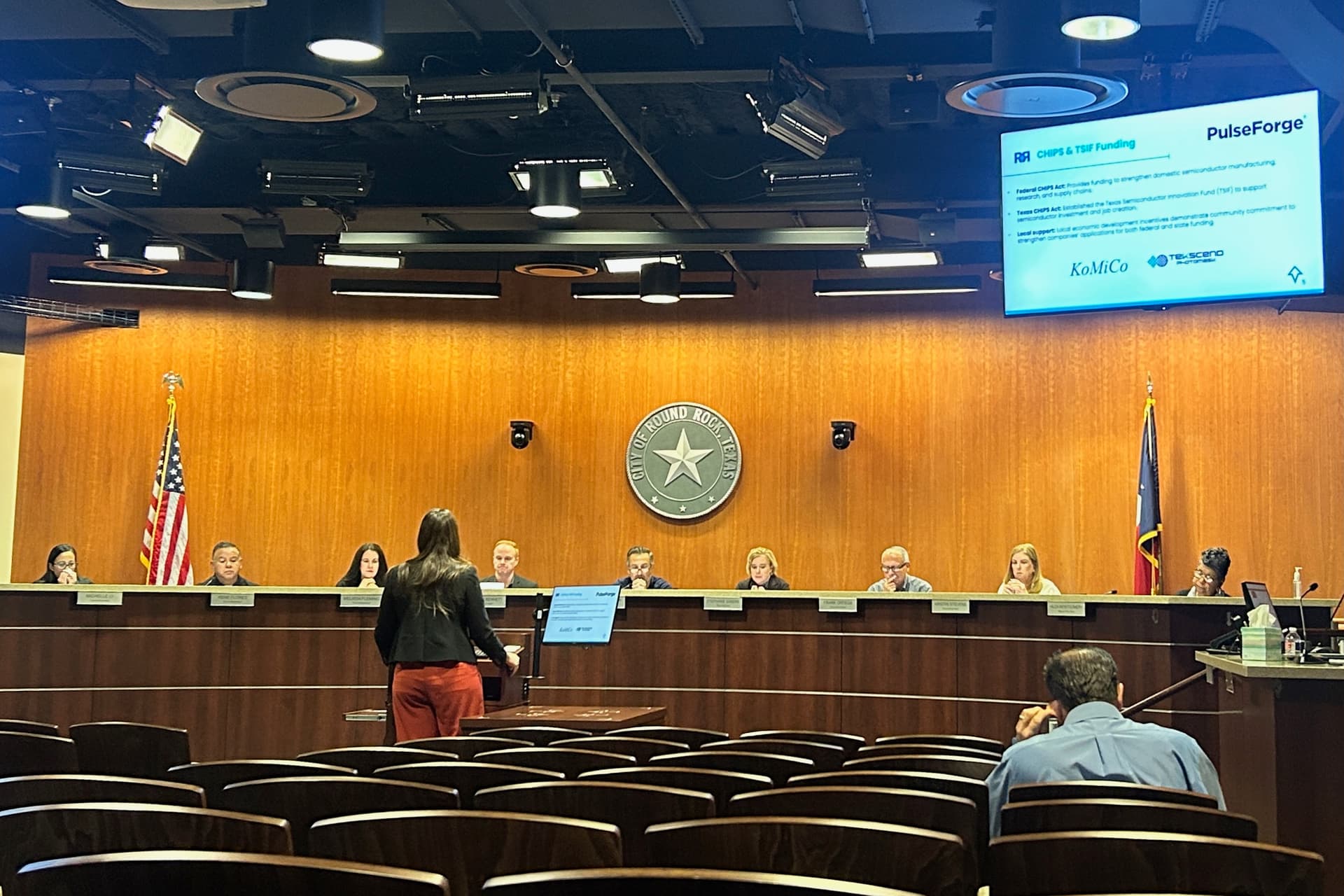
Zach Oldham, area superintendent for the Westwood vertical learning community, who oversees discipline and alternative education program placements, presented an annual update on discipline in the district Sept. 10. He said the reduction in out-of-school placements is a result of staff efforts and new legislative requirements.
"This is a passion area of mine—keeping students on campus and making sure that they're in the classroom and we're developing the whole child," Oldham said.
Explained
Out-of-school suspensions dropped by 43% between the 2024-25 and 2025-26 school years, the report shows.
Both Oldham and Natalie Nichols, senior chief of schools and innovation, attributed this decrease to the following:
Requiring multiple approvals to place a student in OSS or DAEP
Using district data to pinpoint common misbehavior patterns at the campus level and address them
Using a root-cause intervention model to support students rather than penalize them, including behavior coaching, classroom "timeouts" and check-ins with school counselors
The reclassification of THC e-cigarettes from a mandatory expulsion to DAEP placement
District penalization for high DAEP placement rates
Year-over-year, the district did experience about a 10% increase in in-school suspensions. Administrators said this was a byproduct of reducing out-of-school suspensions and expulsions.
Oldham said ISS is still an effective form of discipline, as it keeps students connected to their teachers and campuses.
"There's situations where they can't be in the classroom," Oldham said. "I do think that it's a much better setting for them to be on campus."
Generally, there is no hard cap on ISS duration, but districts are required to formally review a student's ISS placement every 10 days and students must receive services throughout, he said. He also said long-term placements are "pretty rare."
What's next?
The district will deploy a new software, Satchel Pulse, to identify behavioral needs early and implement targeted support plans before misbehavior escalates, Oldham said.
Going forward, the district will also work to decrease out-of-school placements for special education students, reduce general impact on instructional time and strengthen internal support systems for students, he said.