Plano officials said the city is starting its second round of erosion projects in 2027.
Director of Engineering Caleb Thornhill provided a presentation on the city's erosion projects to council at a meeting Oct. 26.
The details
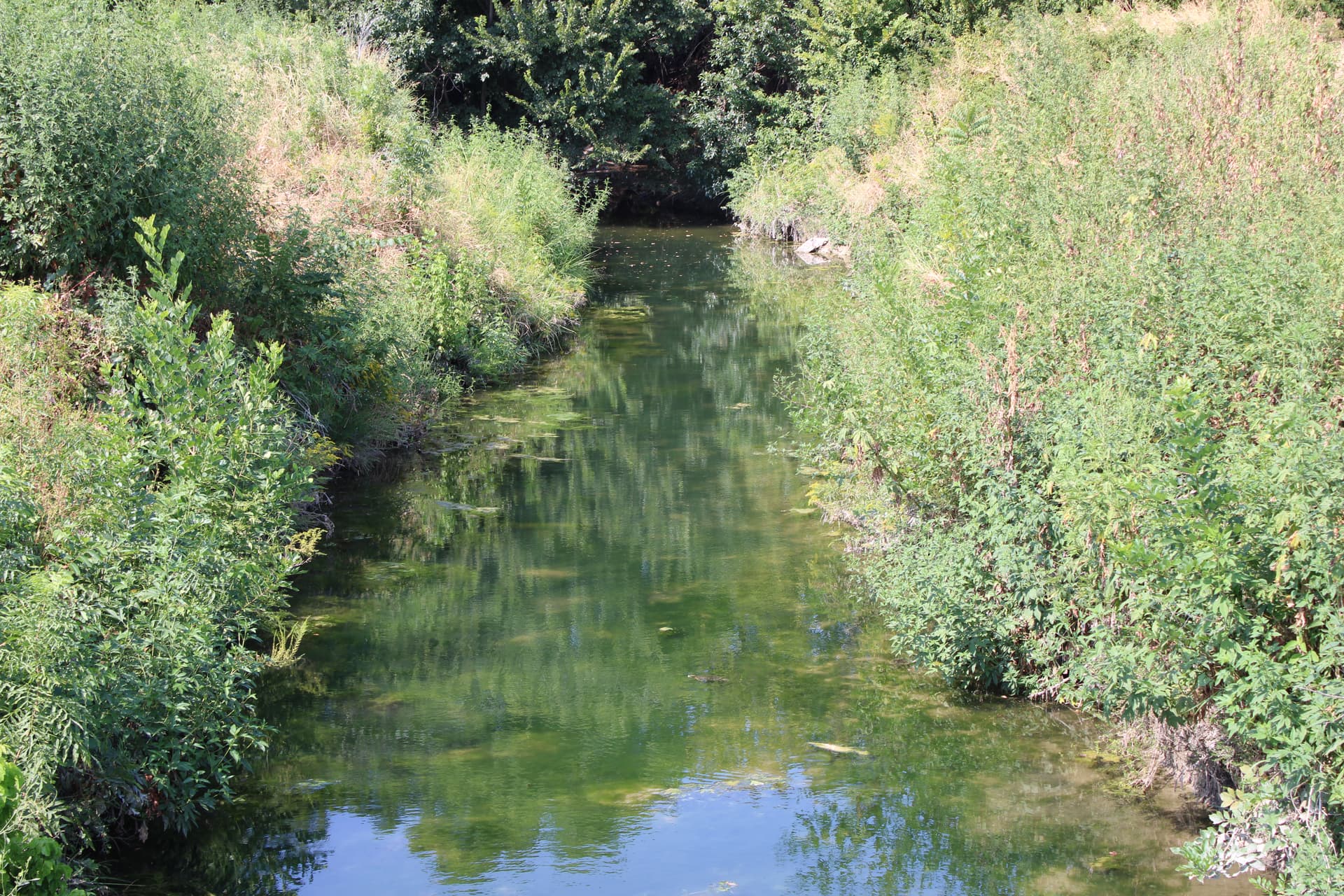
Thornhill said the second round of projects will focus on determining how fast each creek system in the city is changing, finding new critical sites and finding ways to provide more maintenance to the creeks while lessening assessments.
Dig deeper
Thornhill said private property has brought a challenge to the city's erosion control projects and the engineering department has been working with the city's legal team to create a procedure. He said the city plans to talk to owners impacted by erosion from nearby creeks, especially if the city needs access to private property, to assess the area.
"[The assessment will] establish, are there any constraints before we do the project?" he said. "We want the property owner to be well aware before we start design that these things will have to be removed before we can move the project if we cannot come up with a different solution to that."
Thornhill said the city is considering a $10,000 contribution from residential or homeowners association property owners and a 50% contribution from non-residential property owners who are impacted by creek erosion.
Thornhill said the city plans to clear site entry with property owners before starting a project. The city would be responsible for design, construction and maintenance for primary structural systems while the owner would be responsible for maintaining vegetation and for any debris removal.
Areas with multiple property owners would require consent from all parties and consent could be withdrawn at any time before construction, Thornhill said. Refunds would not be allowed after easements are approved.
Looking ahead
Council member Steve Lavine shared interest in seeking avenues for residential and HOA owners who may not be able to offer a contribution for erosion control projects.
"I see that many of the folks along these streams did not bargain for the amount of water now running through that didn't run through when they bought the property," Lavine said. "In some cases, they really can't afford whatever this is."
City Manager Mark Israelson said determining a line for residents who will be required to pay and those who will not will lead to scrutiny on fairness.
"If council wants to raise drainage rates to cover a lot of this, that's a council decision," Israelson said. "But if council approves fees, our goal is to apply those equitably across the community."