The Humane Society of the New Braunfels Area, Inc., or HSNBA, has almost always experienced some level of overcrowding. But recently, the overcrowding has escalated, and HSNBA is asking the community for help, HSNBA Executive Director Sarah Hammond said.
The current situation
The city of New Braunfels and Comal County have both increased funding this year for HSNBA, to help reduce overcrowding at the shelter.
Although both municipalities have added support for the shelter, overcrowding remains an issue, HSNBA Executive Director Sarah Hammond said.
From 2024-25, the shelter had about a 6.5% increase in intakes. This year, based on the first nine months of 2026, intakes are expected to increase by about 13%. As of September, there have been 4,066 intakes.
Several factors are driving the increase, including limited access to low-cost neuter and spay services, expensive veterinary care, a growing county population, irresponsible pet purchasing and a steady rise in stray animals in the area, Hammond said.
Hammond said the shelter expects to take in more than 5,000 animals for the first time and needs a more permanent solution to sustain it. She said having residents foster animals is one solution, but it won't be enough long term.
The breakdown
HSNBA contracts with the city and county to take in stray animals that are brought in by the city animal control divisions, according to the HSNBA website.
The city of New Braunfels increased funding to the shelter by 15% for fiscal year 2026-27 and Comal County increased its monthly contribution by 26%. However, Comal County has not finalized their contract with HSNBA for FY 2026-27 as of press time.
The city has allocated up to approximately $789,000 for HSNBA in this year’s adopted budget which includes a potential $100,000 in additional one-time funding that aims to support essential animal shelter services the shelter provides, said Assistant City Manager Jared Werner.
“HSNBA’s work is critical in helping us meet our responsibilities for stray intake, quarantine and animal care, and their team’s dedication plays a meaningful role in the health, safety and compassion of our community,” Werner said.
Despite increased funding, HSNBA is seeing more intakes than in previous years, Hammond said.
HSNBA Treasurer Kathy Mercer said municipal support brings the shelter closer to its organizational goal and allows them to use funding from donors for community outreach, facility improvements and resources to help animals with complex medical and behavioral needs.
Measuring the impact
When the shelter gets an intake the animal’s needs and housing options are assessed. Different categories of spaces at the shelter include spots for pregnant animals, strays and quarantine facilities for animals who have an illness. The shelter can comfortably house about 167 animals.
These spaces fill up, Hammond said, which requires the shelter’s staff or volunteers to create temporary solutions by putting crates and beds in hallways, offices and break rooms in the facility.
In 2026, the shelter had 789 volunteers and 581 foster providers, Hammond said, but they are asking for more assistance to help alleviate the overcrowded spaces for animals at the shelter. She said more fosters who temporarily take home animals can make an impact.
“We've got dogs that get stressed out. … And [fosters] take them home and then all of a sudden they can relax. They can get a decent night's sleep,” Hammond said.
Mercer is also a foster and volunteer for the shelter. She said she does her best to help but more needs to be done to sustain the shelter long-term.
“As a foster and someone wanting to help the animals, there is always a need and sometimes it feels you can never do enough,” Mercer said.
What are the options?
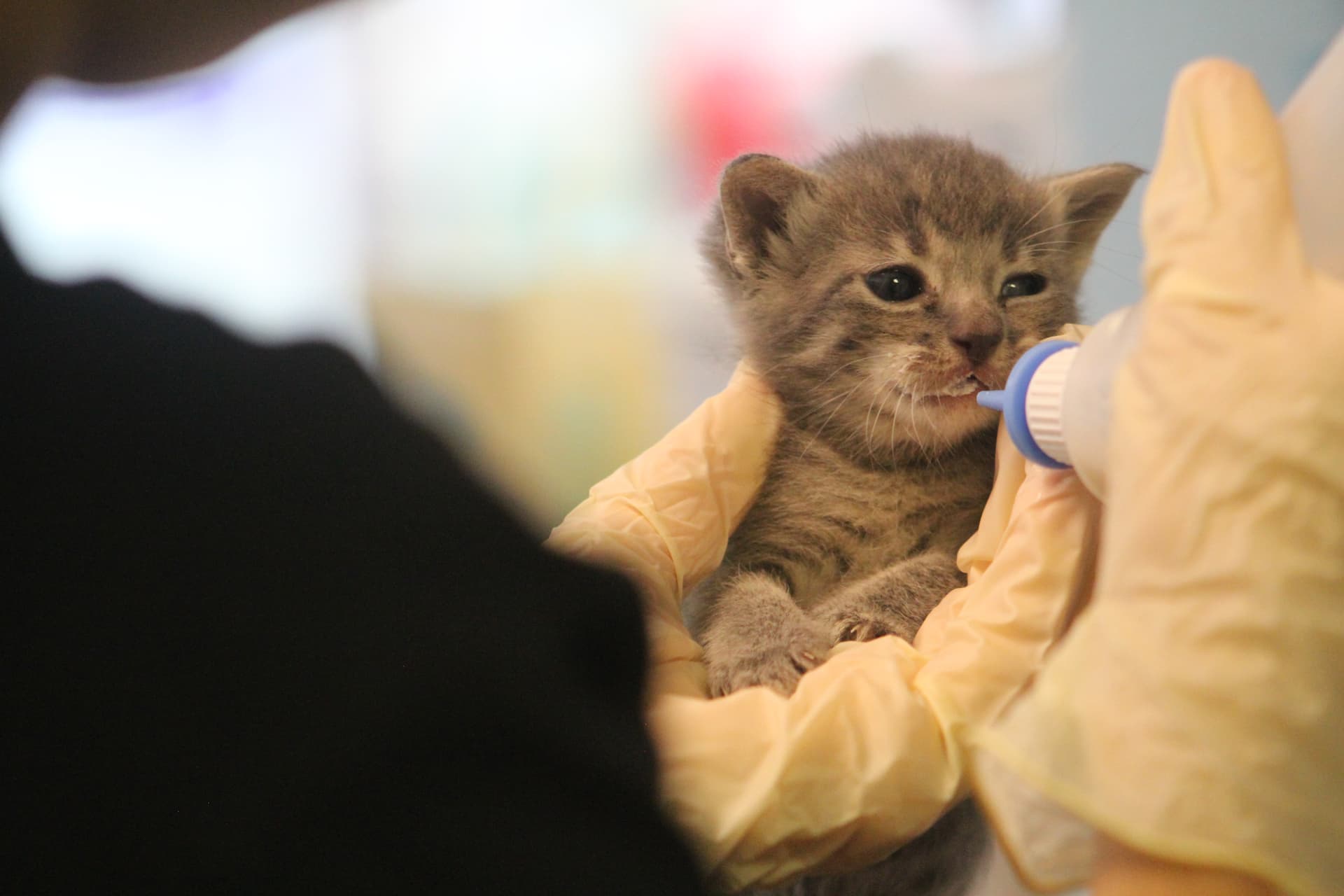
Mercer said the most immediate options to alleviate overcrowding is to have volunteers at the shelter help with daily routine tasks and to have short-term or long-term fosters who can take care of animals in their homes.
Hammond said the shelter works with fosters to match them with an animal who fits daily lifestyle and plans. The shelter also provides supplies to care for the animal like food and medicine.
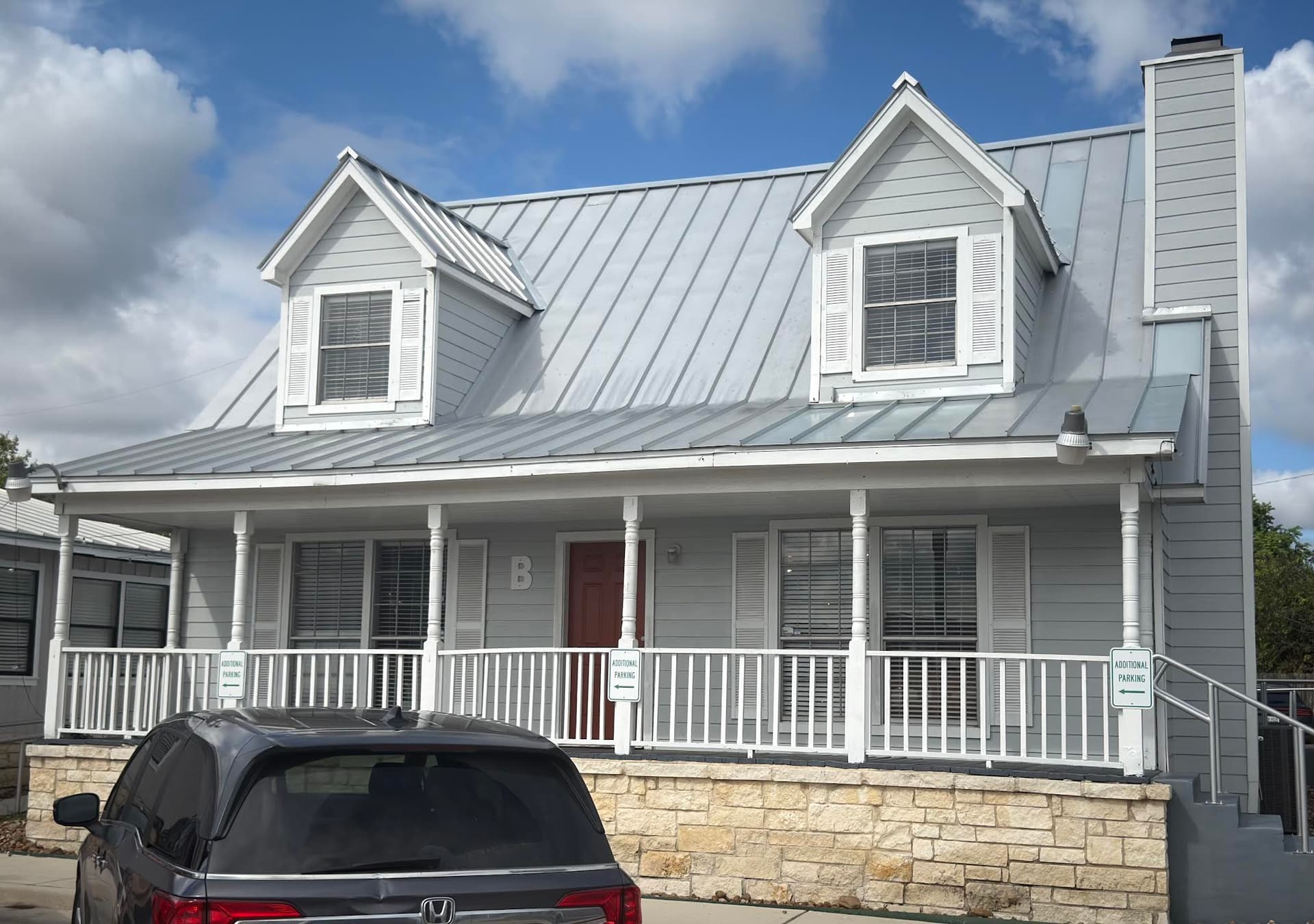
For a long-term solution, Hammond said the shelter is exploring the idea of launching a capital campaign to help raise money to expand their facilities and reduce overcrowding through a phased approach.
Proposed renovation and expansion include:
More user-friendly lobby
Space for community meetings, responsible pet ownership classes in collaboration with animal control, puppy and dog training classes
“Get to know you” areas for potential adopters to meet pets
Exam rooms for foster checkups, intake exams and treatments
Additional isolation areas for pets with complicated medical or behavior needs
New clinic for feral cat Trap-Neuter-Return surgeries
However, the HSNBA board is looking to improve the existing facility first to address immediate needs before working to expand the facility. Hammond said, on behalf of the shelter, "before we do more, we need to do better."
In a statement to Community Impact, the HSNBA board said they are working through project scope, costs and funding needed to move the initial proposed project forward.
"We look forward to further sharing how our community can provide support for necessary renovations to the facility now while we plan for its future expansion," the board said.
How to help
Hammond said the community can help the shelter by donating supplies and spaying and neutering pets. She also encourages people to research breeds before adoption to see if they fit your lifestyle.
The humane society accepts supplies or monetary donations. They also welcome volunteers at the shelter or at community events.
For those who wish to foster, either long- or short-term, visit the humane society website.