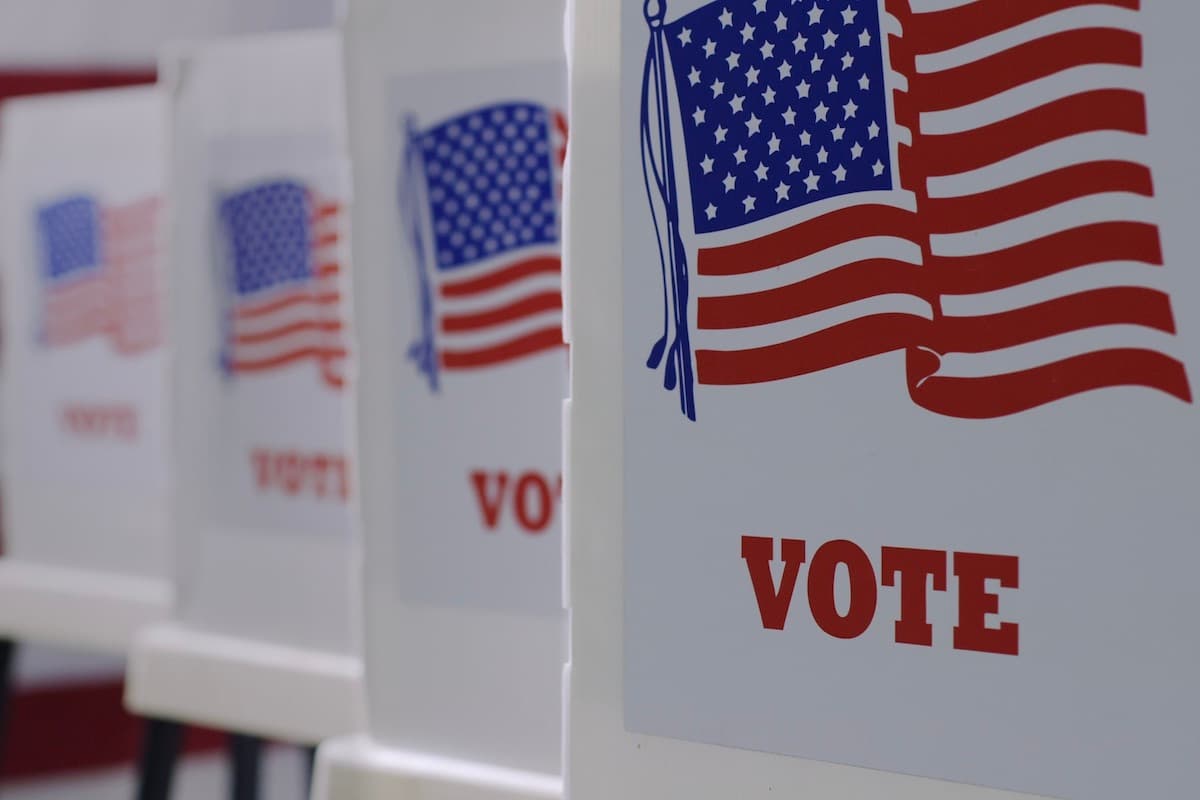
Fulshear voters will determine whether to increase the city’s general fund sales tax from 1% to 1.25% while reducing the city’s Economic Development Corp. A-Board sales tax from 0.5% to 0.25% during a May 2 special election.
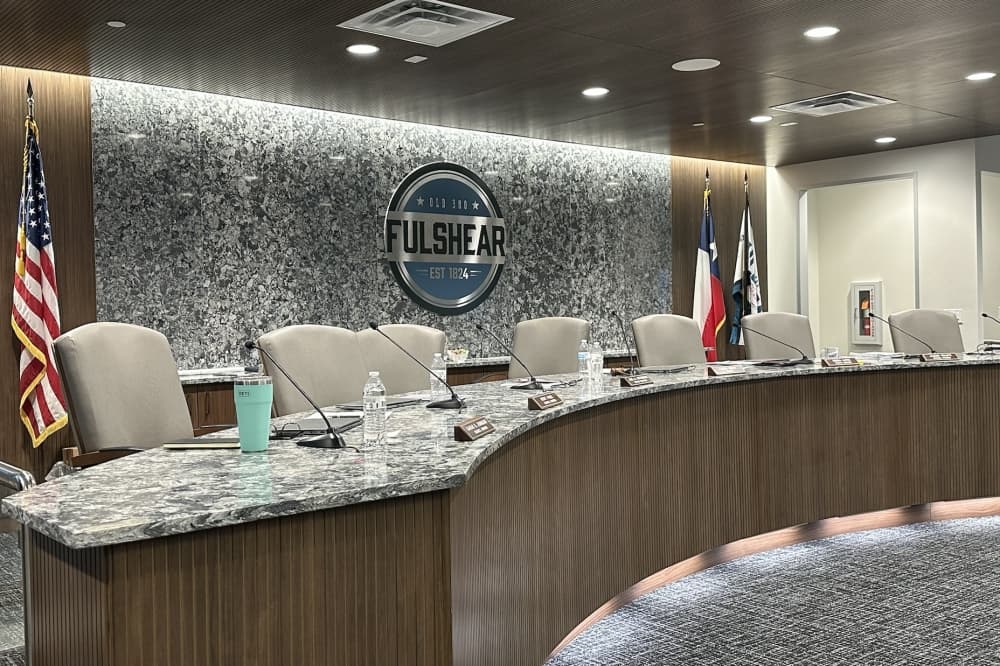
The special election was approved in a 4-1 vote at a Feb. 3 City Council meeting with District 5 council member Abhijeet Utturkar voting against. At-large council member Camron Miller and District 2 council member Patrick Powers were absent.
Explained
If approved, the special election would shifts sales tax from EDC-A to the general fund, rather than creating a Crime Control and Prevention District—which was suggested at a Jan. 20 meeting. The move would give the city more flexibility with tax revenue, Fulshear City Manager Zach Goodlander said.
The additional sales tax would amount to approximately $1.25 million, still below the $1.7 million city officials are aiming to reach in police funding, but could also be used for other projects if city staff deem it necessary, Goodlander said.
What they're saying
Fulshear EDC A-Board President Bryan White expressed concern about the move, naming Waller Street drainage and downtown roads projects as two that may stall with the proposed changes.
“Multiple properties in the downtown district can not be developed until these drainage problems are done,” White said. “Unless you have another plan, the downtown district will stay the way it is right now, which is no commercial development.”
With no commercial development, there will be no new sales tax to bring in, forcing the city to find money elsewhere or put EDC-funded projects on hold, White said.
What else?
At the meeting, Fulshear City Council also called a May 2 general election for all eight council seats—including the mayor's seat—following council's approval of a new district map in September.
The redistricting comes after a study conducted by law firm Bickerstaff Heath Delgado Acosta LLP showed the city has nearly doubled its population since the 2020 census.
To adjust for future election cycles, the council positions were split into one- and two-year terms for the current election cycle, per agenda documents.