Editor's note: This article was updated to include comment from Flock Safety, which was submitted after the time of publishing.
College Station City Council unanimously approved a grant application at its April 23 meeting tied to the city's automated license plate reader camera system. The approval followed public comment about privacy and surveillance concerns.
The gist
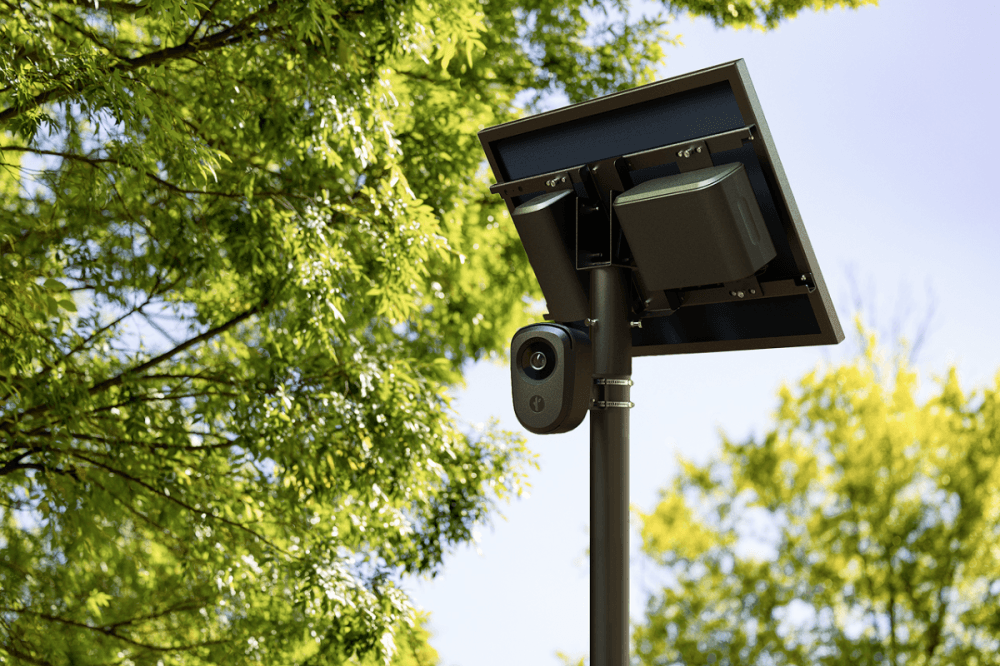
Council members allowed the College Station Police Department to apply for a Motor Vehicle Crime Prevention Authority catalytic converter grant that would help fund the city's contract with Flock Safety, a company that operates license plate reader cameras.
The grant would provide $308,700 toward the program, with the city responsible for a 20% match of $61,742. The city clarified that if the grant and contract are awarded, this will be a three-year contract with Flock with annual renewals.
Police Chief Billy Couch described the system as an effective investigative tool used to combat vehicle theft and traveling crime. He cited cases involving burglaries and recovered stolen property linked to license plate reader alerts.
What residents are saying
Several residents spoke against Flock during public comment, arguing the cameras allow warrantless tracking and rely on data storage controlled by a private company.
Speakers questioned data security practices, artificial intelligence capabilities associated with the system, and whether information could be shared with third parties or used beyond local law enforcement purposes.
College Station resident James Sun said he was concerned about the ability for law enforcement to track residents using the technology.
"These cameras do more than just capture license plates," he said.
Addressing these concerns, Couch said data collected by the cameras is encrypted, retained for 30 days and accessible only to authorized personnel. He said searches require supervisory approval and are subject to periodic audits, relieving some concerns about authority misusing the technology.
Community Impact reached out to Flock for comment and to allow the company to address public concerns. As of the time of publication, Flock has not responded.
What council is saying
While council ultimately voted to approve the grant application, several members voiced caution about emerging surveillance technology.
Council member Bob Yancy said he supports law enforcement but raised questions about contract language, referencing business purpose and third-party data sharing.
Meanwhile, council member Melissa McIlhaney said she would have preferred additional discussion about risks associated with AI systems before pursuing additional funding.
What Flock is saying
Community Impact reached out to Flock to address the public concerns.
"We recognize that people have real questions about how this technology works. Our goal is to help local agencies solve and prevent crime while respecting civil liberties," Flock said in a statement. "Local agencies own and control 100% of their data, and Flock cannot sell customer data. Data sharing is off by default and only happens if the agency chooses to enable it. Additionally, license plate data is automatically and permanently deleted on a rolling 30‑day basis by default, unless a different retention period is required by local law or policy.