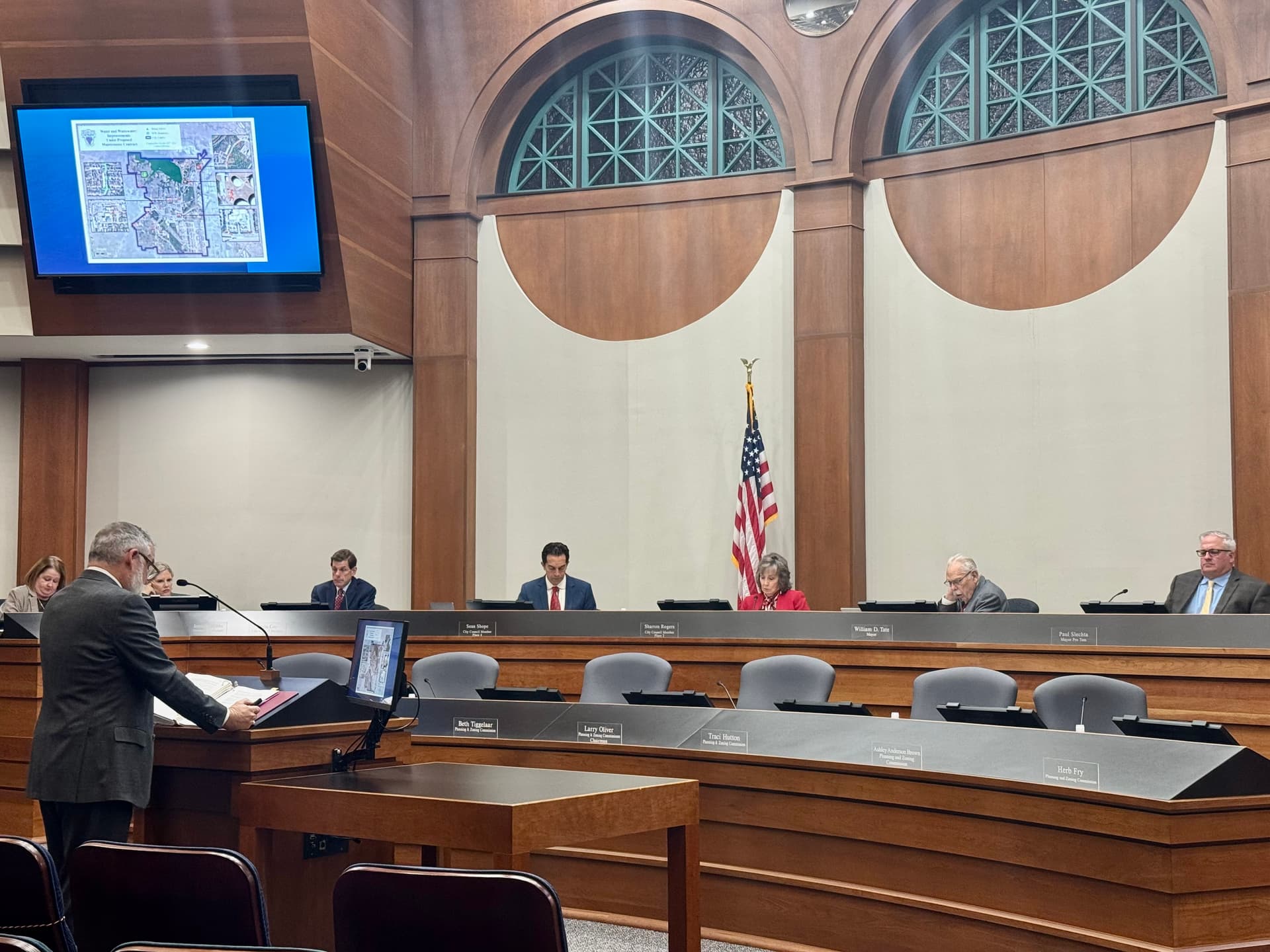
The Carroll ISD board of trustees considered adding blackout days where employees cannot request time off to the 2026-27 school calendar and adding attendance incentives to help with daily staff presence at the April 13 board workshop.
What’s happening?
Executive Director of Human Resources Melanie Kibodeaux recommended having days in the school year where employees would receive a dock in their day rate when requesting those days off.
The blackout days include the last workday before a school holiday, the first workday after a school holiday, staff development or early release days, and testing days, which include state assessments and end-of-class or semester exams, according to district documents.
Teachers will not receive a dock to their pay if they request off on blackout days for family-related events, including funerals, weddings, births, medical emergencies and major family milestones, such as moving a child into college housing.
“Substitutes is an area where we spent way too much money, over $1 million the last two years,” CISD Superintendent Jeremy Glenn said. “If we were to look at when staff take the most days off, it's during these blackout days.”
By keeping teachers in the classroom during these days, the district would see savings above what it's spending on substitute teachers, he said.
More details
Establishing blackout days would also free up money for attendance incentive programs, Glenn said.
The district is looking to reward teachers for unused local leave days, which are five days that the district provides for time off. If this program is approved by the board of trustees, teachers would receive $110 per day for any unused local leave days, Kibodeaux said.
If an absence is necessary, then local days would be used first, followed by the five time-off days provided by the state, she said.
“What’s best for our kids is to have their teacher in the classroom,” Kibodeaux said. “Ultimately, that’s really what this is for is to try to keep that consistency for our kids.”
The district is also proposing a retirement incentive for staff to receive 50% of an employee's current daily rate for up to 50 unused state days, Kibodeaux said. The state provides five time-off days annually, which can be stacked if a teacher decides not to use them, according to the Texas Education Code.
“What you typically see is educators have accumulated a lot of days over their 30-year career,” Glenn said. “Then they get to that last year, and they burn those days because there's nothing else they can really do with them. It's use them or lose them. This is a way to really incentivize and reward staff who've done a good job for us for a long period of time.”
To qualify for this incentive, an employee would have to spend their final five years with CISD and maintain at least a 98% attendance rate during their last three years, which would come out to no more than three absences per year, Kibodeaux said.
Glenn estimates that the payout could be $10,000 for an average retiring teacher who maximizes the benefit.
What’s next?
The board of trustees will consider approving the blackout days and attendance incentives at its next regular board meeting April 20.