Georgetown utility customers will see increases to their water, wastewater and stormwater utility bills starting Oct. 1.
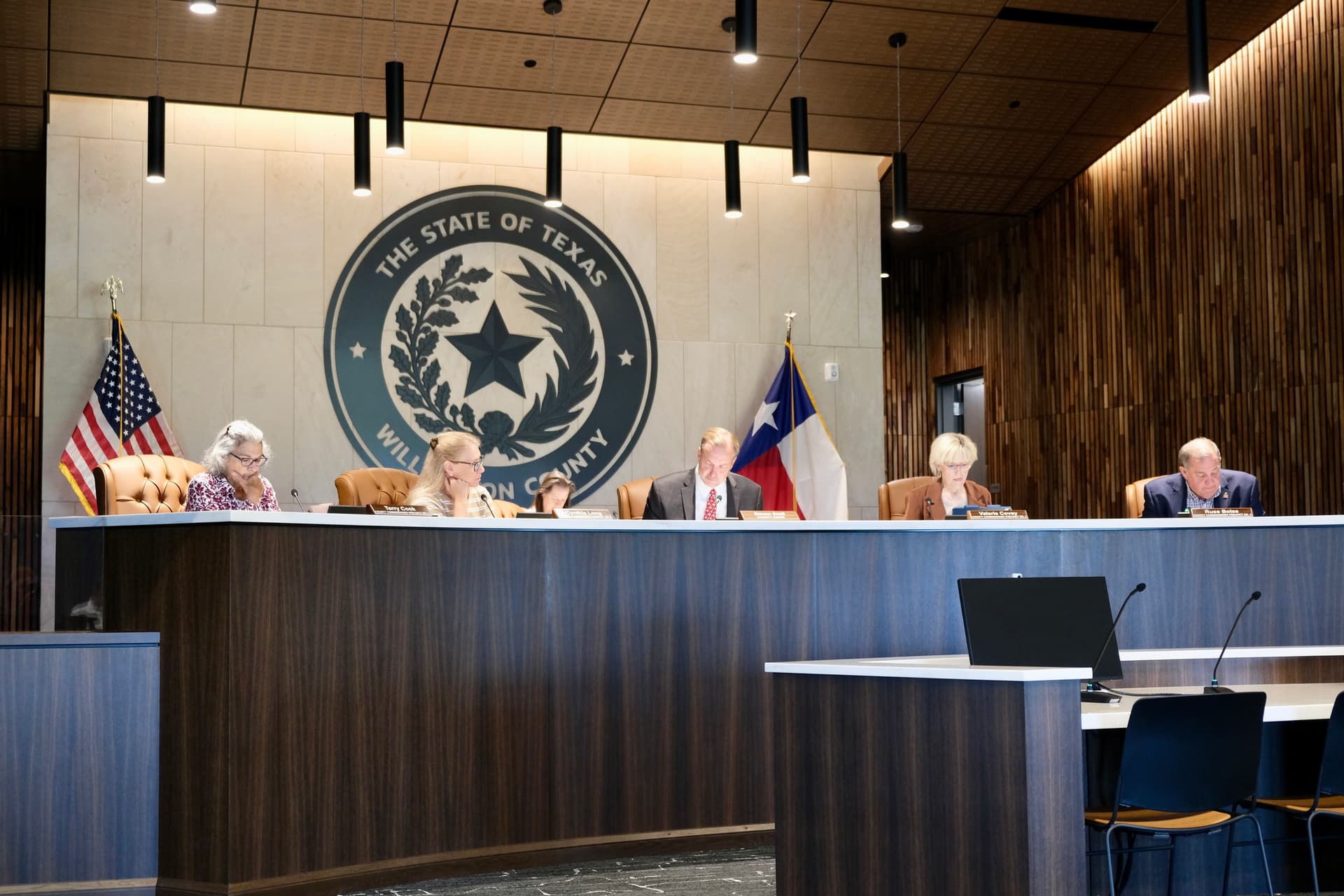
The increased rates will help address environmental compliance, population growth and capital improvement projects, city officials said at a May 26 City Council workshop.
What residents should know
The city’s residential stormwater fee will increase from $6.50 per month to $8.50 per month. By fiscal year 2029-30, the rate will reach $10.50 per month.
Commercial properties will see increases from about $65 per month to $85 per month. The commercial rate will reach $105 by FY 2029-30.
For water bills, customers' base charges will increase by 4% and volumetric rates will increase by 14% on Oct. 1. Wastewater rates are projected to increase by 12% annually through 2031.
A typical residential user consuming 6,000 gallons of water a month will see their bill rise from $127.35 to $139.65.
Why it matters
Stormwater rate increases will help the city keep up with operating costs, which have increased by about 20% per year, Public Works Assistant Director April Haughey said.
In addition, the Texas Commission on Environmental Quality has implemented specialized environmental compliance requirements because of Georgetown’s position over the Edwards Aquifer Recharge Zone. To meet these standards, the city uses filtration systems that are efficient but costly, Haughey said.
The fee increases will also help fund a $15.7 million capital investment plan through 2031, purchase new equipment and add 22 new staff members to manage the infrastructure.
Water and wastewater rate increases are primarily due to population growth, which causes an average of 4,100 new water connections and 2,500 wastewater connections annually, Chief Financial Officer Leigh Wallace said. They will also help support the city’s $1.76 billion capital improvement plan.
In case you missed it
Georgetown officials made a plan to shift the water and wastewater billing structure to place more of the cost burden on high-volume consumers, according to previous Community Impact reporting.