Denton City Council approved several changes to the city’s Chapter 380 Economic Development Policy, which details when, how and for what the city approves grants and incentives.
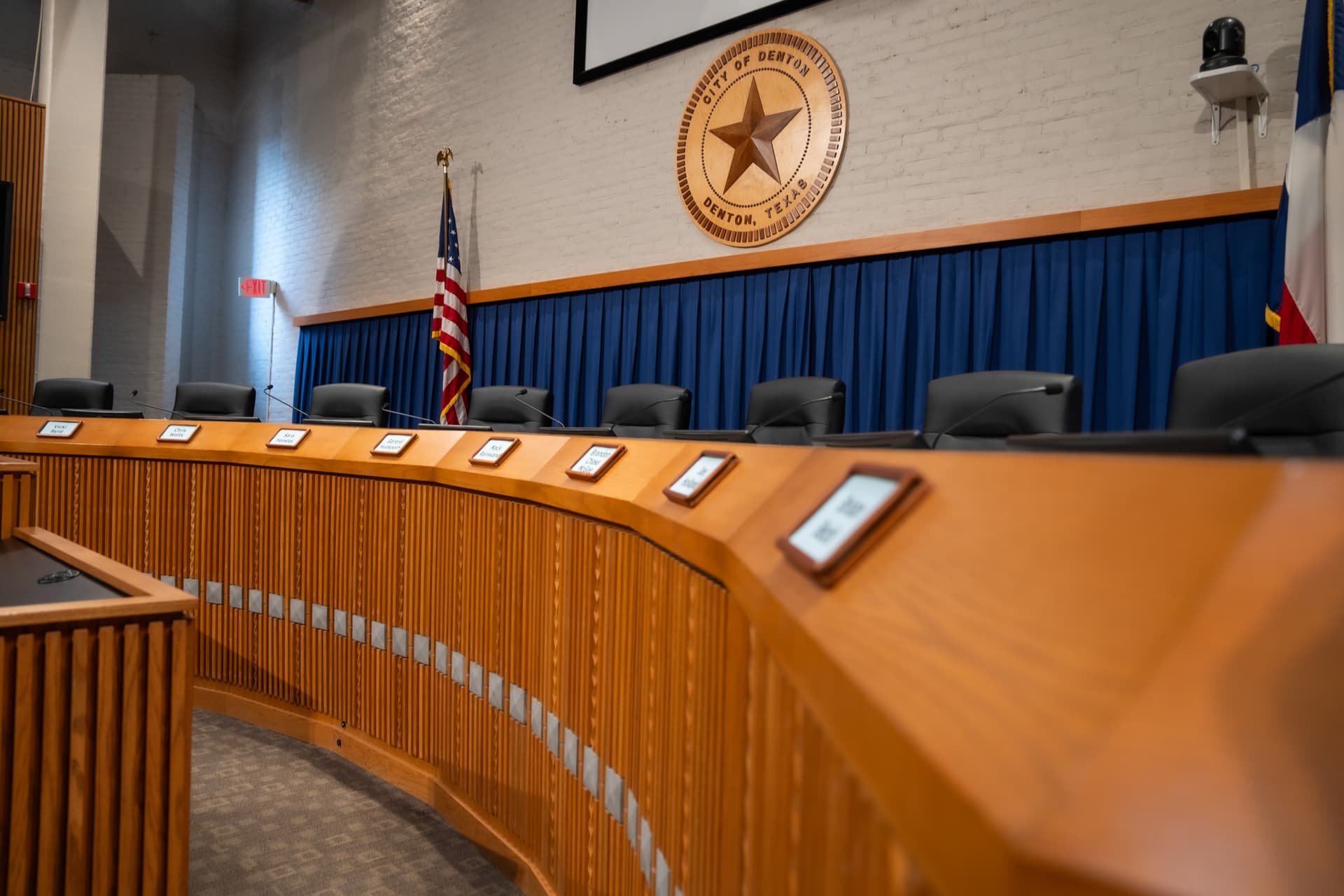
During the Oct. 27 meeting, City Council heard a presentation seeking the approval of proposed changes and passed them, 6-0.
What’s changed
The strategic growth areas in the initial policy, which provided the council with categories of projects to consider approving, were replaced with specific industries.
“We had numerous strategic growth areas and we wanted to better define and narrow down the targeted industry sectors,” said Erica Sullivan, the city's economic development program administrator.
Eight targeted industry sectors were identified with Council Member Joe Holland taking particular note of the inclusion of burgeoning aerospace industries:
Additionally, projects in the entrepreneurial, tech and aviation industries would be considered for the way their future growth might benefit the city.
Projects that were specifically targeted were items within the Design Downtown Plan, the Southeast Denton Master Plan or the Denton Municipal Airport Master Plan.
Diving in deeper
Other changes to the policy addressed minimum job thresholds for businesses, public purpose and streamlining language. The policy was shortened from 12 to nine pages.
“We wanted it to be a less daunting document, and shortening the policy allowed us to add some new programs,” Sullivan said.
One of those programs is specifically for redevelopment, which would allow grants for projects that improve retail façades.
The other program Sullivan addressed in her presentation is the new site readiness program, which would provide funding assistance for the work that goes into a property development before groundbreaking. That includes the initial environmental assessment, which could cost more than $6,000, according to CRG Texas.
The history
The city’s first tax abatement policy passed in 1989. In 2014, the city approved the Chapter 380 policy, which provided a wider range of incentive programs.
The policy has undergone several changes since then, most recently in 2024, when the priority considerations for approval centered around the city’s strategic growth areas, according to the presentation.