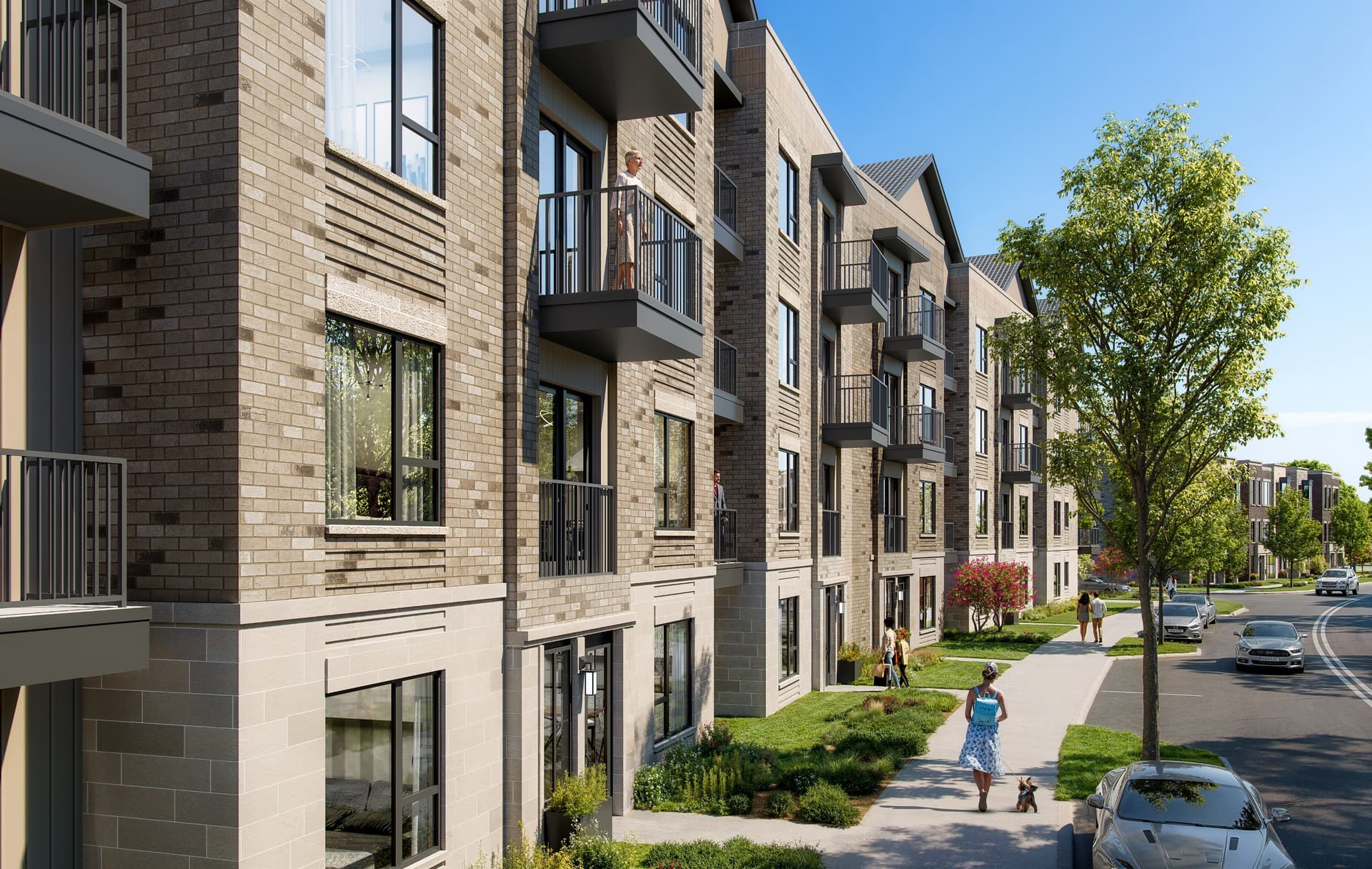
The city of Denton currently has more than 32,000 multifamily units completed, under construction or permitted, which already exceeds its 2040 estimate of more than 28,000 units, according to a report given to City Council at the Nov. 17 meeting.
The influx of units from 2022-26 was driven by incentivized by tax breaks for developers, Mayor Chris Watts said. As a result, council is exploring tightening its multifamily development code within the city.
The overview
Denton added roughly 9,500 apartment units between 2020 and 2026, expanding the city’s multifamily inventory by at least 40%, Watts said.
Planning Director Hayley Zagurski, who presented the report on multifamily developments, said that July data showed the number of apartments in Denton’s pipeline already exceeds the 2040 estimate for multifamily housing units by 3,568 units, or 12.4%.
City documents show the following breakdown in Denton’s multifamily development:
Existing apartment units: 26,500
Units under construction: 4,286
Units in pre-development review: 1,621
Projected total units upon pipeline completion: 32,407
Projected amount of units needed to meet demand in 2040: 28,839
“Over 20% of all the multifamily [housing] in Denton is tax exempt" Watts said. "I'm suspecting that's probably close to $1 billion off the tax rolls.”
That $1 billion in property value translates to $16 million in annual losses for the city of Denton, Denton County and Denton ISD combined , Mayor Pro Tem Nick Stevens said in a Facebook post.
Jesse Kent, director of community services, estimated that 10% of the tax-exempt multifamily developments qualify as affordable housing under city standards.
The context
The multifamily development projection from the 2040 Comprehensive Plan, Denton’s 20-year master growth roadmap adopted in 2022, was based on a steady annual population growth rate, average household size and housing mix percentages, according to city documents.
Zagurski said that actual population growth exceeded the model every year since the plan was adopted in 2020.
City documents show that the 2020 housing mix failed to account for shifts like rising mortgage rates, home price spikes and tax-exempt development incentives that prompted more development of apartments than single-family homes.
The surge in multifamily developments from 2022 led to an abundant supply which, along with rising construction costs and lower rents, has recently slowed down development over the last year, though Denton still has a high rate of new leases, according to city documents.
Local apartment vacancies range from 12.8%-19.9%, local rents fell 6.1% over the past year and developer pre-application meetings dropped to less than two per month, according to Zagurski's presentation.
What’s next
Council will try to address what Watts called an “oversupply” of apartments in development code updates rather than implement a moratorium, or a pause in development and permitting of multifamily units, due to legal unfeasibility.
Texas law restricts moratoriums to situations where a municipality can prove a shortage of essential public infrastructure, such as water, wastewater or drainage. Because the city has expanded utility plants and pipelines, no shortage exists, Watts said.
Denton will be bound by a state mandate to allow multifamily developments by right anywhere commercial uses are permitted once the city’s 2030 census count is certified.
With the moratorium off the table, council directed staff to bring potential development code updates before the Development Code Review Committee in early 2027.
Options under review include:
Requiring specific use permits for apartments in mixed-use zoning districts where they are currently allowed
Removing multifamily use from certain zoning districts
Tightening building transition, height limits and open-space buffers near single-family neighborhoods
Expanding incentives for lower-impact “missing middle” housing, such as duplexes, triplexes and townhomes
City staff is also pursuing grant funds to update the 2040 Comprehensive Plan based on recent population housing data, Zagurski said.