A new program aimed at maintaining buildings within the city’s historic township will go into effect in Grapevine.
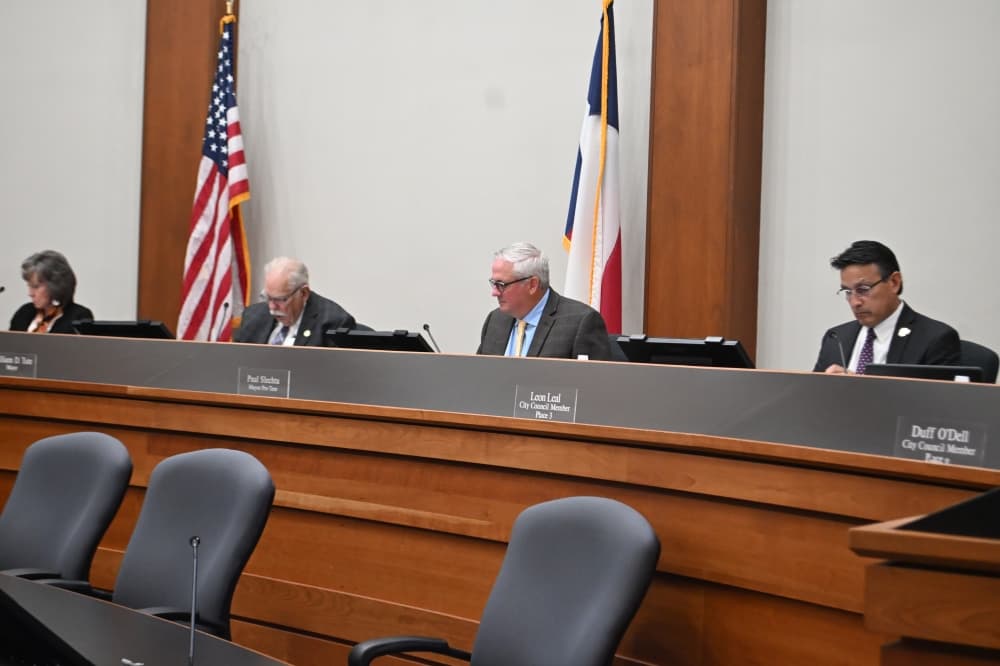
Council members unanimously approved the creation of a historical facade preservation program during a joint meeting with the planning and zoning commission April 21. Council member Duff O’Dell was absent from the meeting.
The details
City staff allocated $100,000 for the fiscal year 2025-26 program, which is funded through economic development funds, according to city documents. The program was developed by staff between the Economic Development department and the Grapevine Convention and Visitors Bureau.
The maximum match under the program is $10,000, and the city has committed to matching 50% of costs for material and labor, said Paul W. McCallum, the executive director of Grapevine’s Convention and Visitors Bureau. Projects funded through the program must be completed within one year and must cover permanent fixtures for the building, such as windows, lighting.
McCallum said all requests will be reviewed by a board and eligible projects must be pre-approved for reimbursement. Other restrictions for the program include a requirement that the building being worked on must be at least 50 years old and only property owners may apply for the matching funds.
A goal of the program is to help restore building exteriors that may have been modernized, McCallum said.
“This is an opportunity to bring them back to their original appearances,” he said.
Diving deeper
Additionally, the city has an established historic preservation program for residential structures through the nonprofit Grapevine Township Revitalization Project Inc. Under that program, the city will reimburse projects up to $10,000 on a 1-to-1 basis for rental residences and a 2-to-1 basis for owner-occupied homes.
Mayor William D. Tate said the city has had success with its residential program. He also said he appreciated staff tweaking the program that was presented during the March 17 meeting to only allow property owners to apply for the funding.
“It makes it more comparable to the program we added for the residential district, that’s been very successful,” Tate said. “It certainly addresses my main concern that we were going to have tenants make small requests that were temporary for their business.”