Conroe is moving ahead with a study that could require new developments to help cover the cost of future water, wastewater and roadway infrastructure.
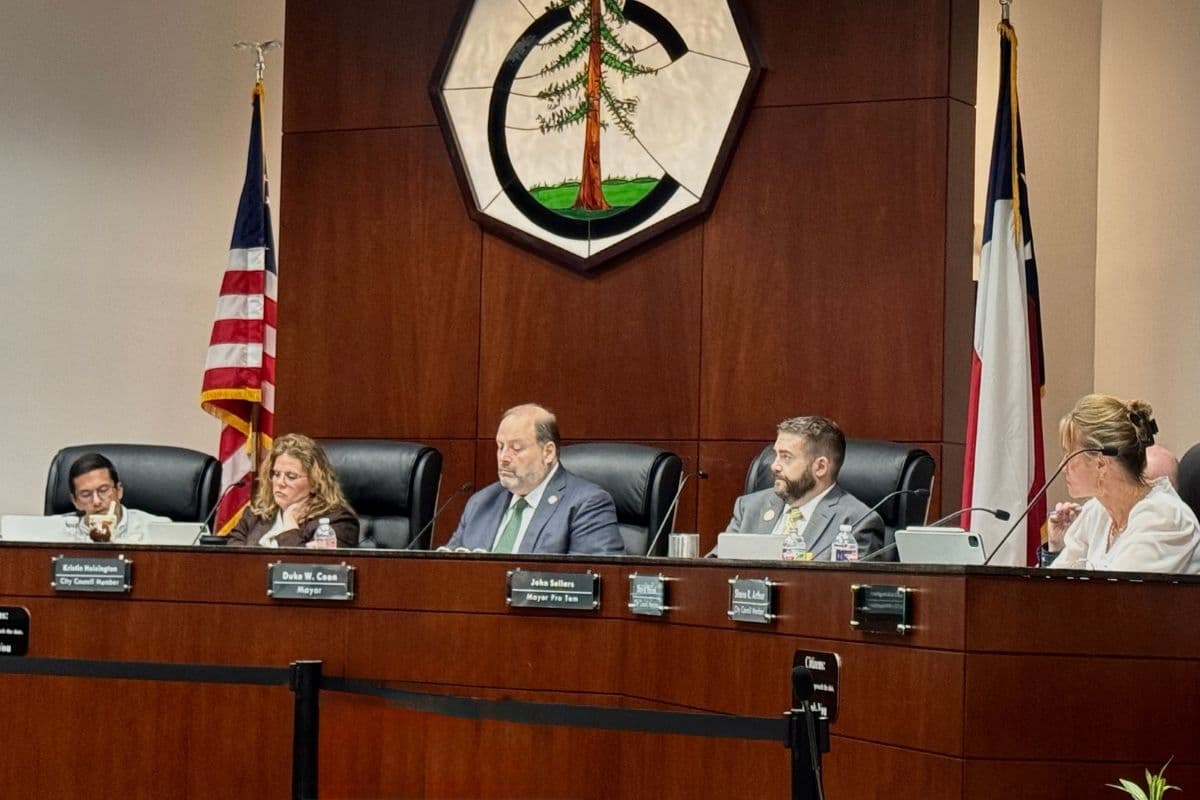
City Council heard an update from infrastructure and engineering consultants Freese and Nichols on Aug. 27 before giving staff the go-ahead to resume the study, which had been paused since May to brief the newly seated council. No formal vote was taken, and council did not adopt or set any fees.
What you need to know
Impact fees would be one-time charges on new development for a portion of growth-related projects identified in the city’s capital improvement plans. The fees would typically be assessed at the final plat stage and collected when a building permit is issued.
“With impact fees, it’s a way for new development to pay for their fair share of that growth,” Freese and Nichols consultant Eddie Haas said.
The revenue could pay for construction, surveying, engineering, land acquisition and debt service tied to eligible water, wastewater and roadway projects. The study will calculate the maximum fees Conroe could assess, but council could adopt any amount at or below that figure.
Council members questioned whether a standard fee could create a one-size-fits-all policy or limit the city’s ability to negotiate development agreements involving money, infrastructure or land. Haas said the city could continue using development agreements alongside an impact fee program when appropriate.
“I think impact fees build healthier communities with all parties sharing some of the fees,” Mayor Duke Coon said.
A closer look
The city has completed updated growth, demand and wastewater flow projections using anticipated development information received in March. Consultants have also defined roadway service areas, analyzed the road network and started identifying projects that could qualify for impact fee funding.
The next steps include updating the water system model, refining project lists and costs, and appointing a Capital Improvements Advisory Committee. Under Chapter 395 of the Texas Local Government Code, the committee must have at least five members with at least half representing the real estate, development or building industries.
The public process is expected to begin in early 2027. If the schedule holds, a public hearing on potentially adopting the fees could occur in the fourth quarter of 2027.
How we got here
Council approved a $549,500 contract with Freese and Nichols in June 2025 to study potential water, wastewater and roadway impact fees. The study was initially expected to take up to 20 months because of the required analysis, advisory committee review, public notices and hearings.