Conroe residents and businesses will not see a new stormwater charge just yet.
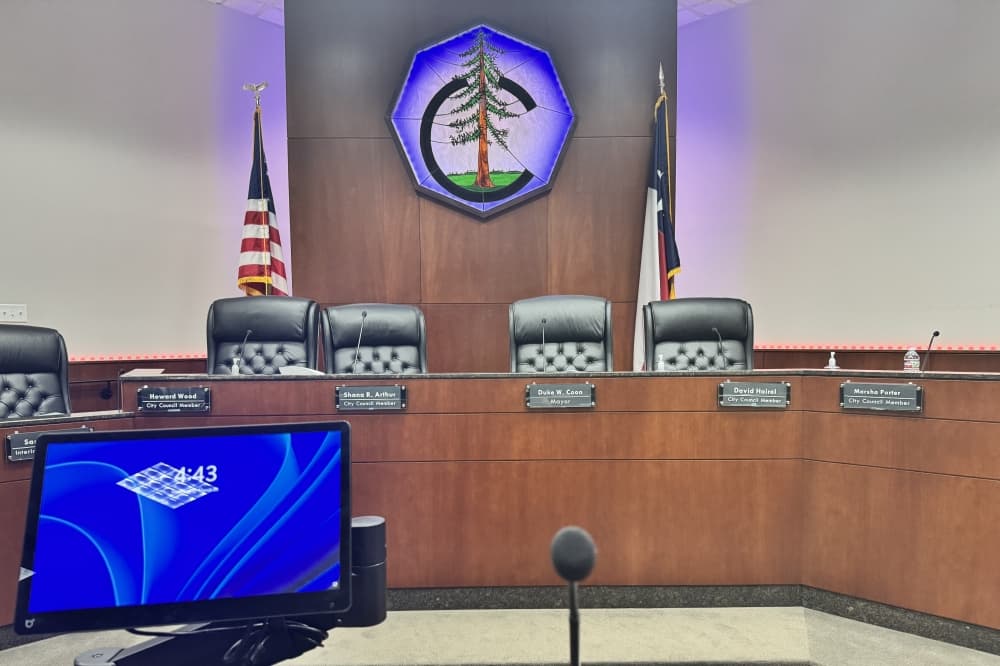
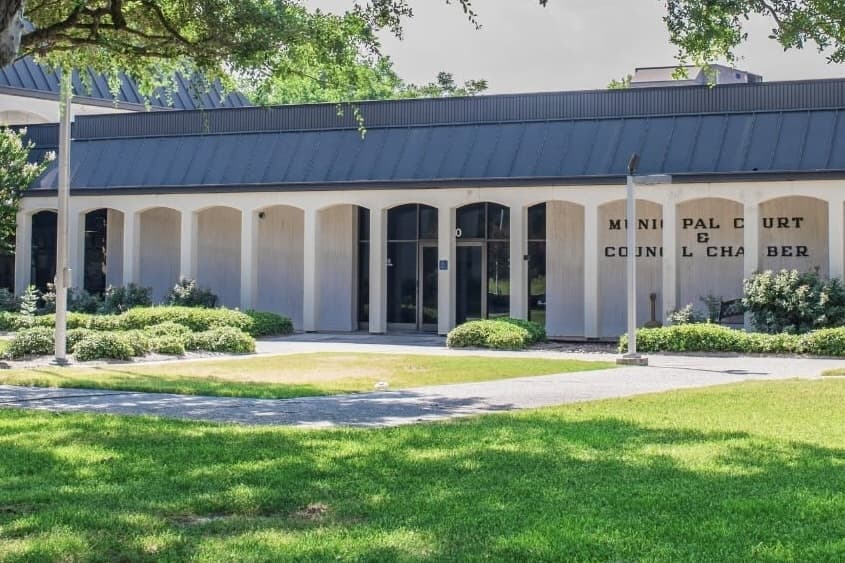
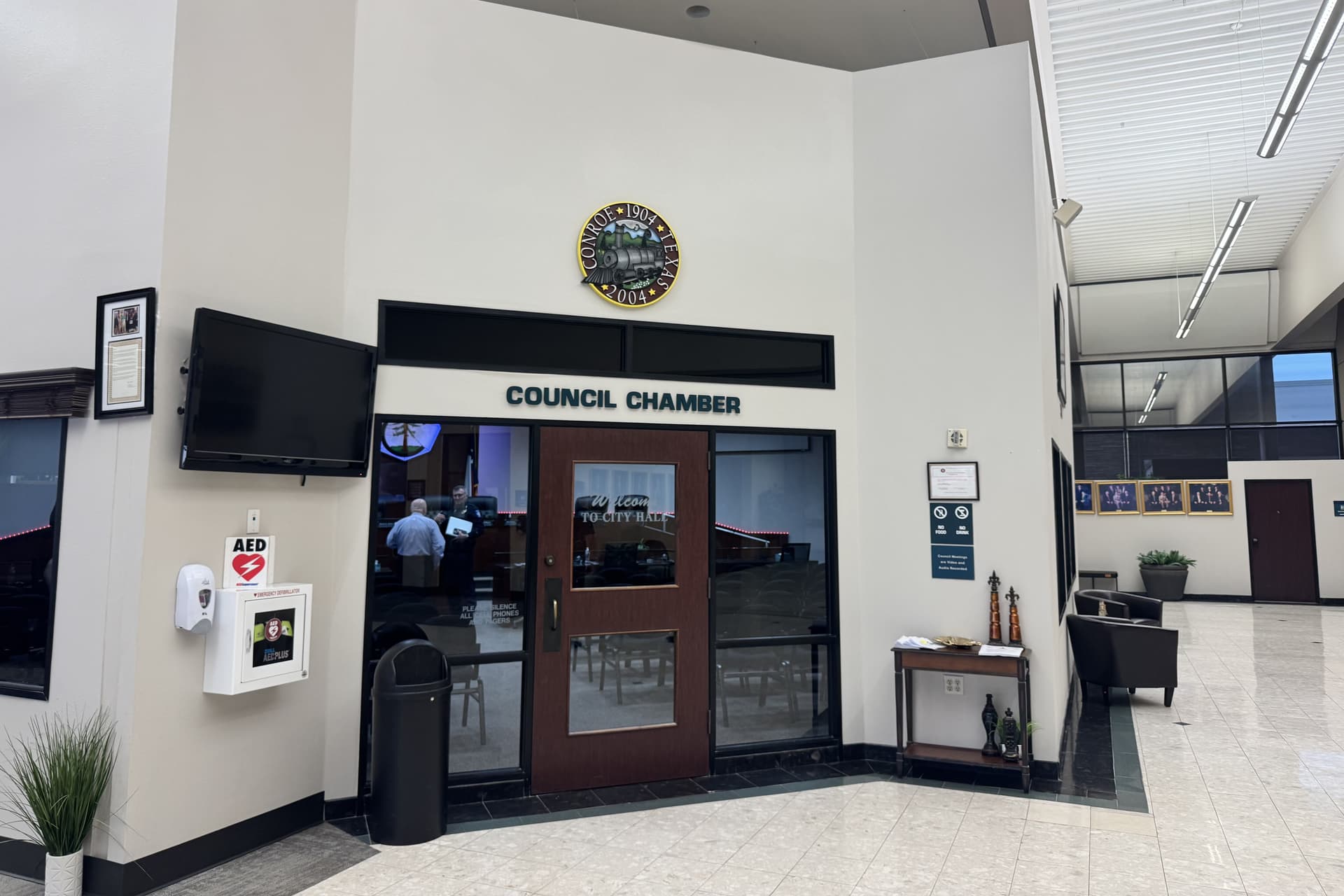
The City Council did not vote on the proposed fee during its Aug. 27 meeting. Instead, council members asked staff to return with more information about the condition of the city’s drainage system, known problem areas and the projects Conroe may need to fund.
What happened
Consultants with Freese and Nichols presented the latest version of a stormwater utility fee that would appear as a recurring charge on utility bills.
The proposal would charge residences a flat fee of $4 per month. Nonresidential properties would pay $4 per equivalent residential unit, or ERU, with one ERU representing 3,200 square feet of impervious surface such as rooftops and pavement, meaning 144,707 sq ft impervious area could pay $184.00 per month, according to the presentation.
At that rate, the fee could generate about $4.4 million annually if billing began Oct. 1, according to the presentation. However, the council did not set a start date.
The revenue could only be used for drainage-related expenses, including infrastructure projects, maintenance, regulatory compliance and portions of several staff positions.
“By law, you can only spend this on drainage-related purposes,” Freese and Nichols consultant Trey Shanks said.
The discussion
Mayor Pro Tem John Sellars asked whether properties with detention ponds, large grassy areas or other features that reduce runoff could receive a credit.
Shanks said credits could be added for properties that demonstrate a smaller impact on the drainage system, but they are not included in the current proposal. Such a program would also require additional administrative work, he said.
Sellars said he remained opposed to placing another recurring charge on residents and businesses.
“I am not at all in favor of this,” Sellars said. “I ran and got up here to try to reduce the burden on our citizens, not increase it, and that’s really what I see this as doing.”
Council members also discussed gathering public feedback. Several members said they wanted a clearer understanding of Conroe’s drainage needs before moving forward.
Council also questioned whether the drainage charge would overlap with the separate impact fees Conroe is studying.
Consultants said the programs would serve different purposes: impact fees would be one-time charges on new development for water, wastewater and roadway projects, while the stormwater fee would be an ongoing charge supporting drainage work throughout the city.
“I think what I'm hearing is let’s not kill this idea,” Mayor Duke Coon said. “Let’s maybe bring it back with some more study, maybe adjustment of fees.”
How we got here
The city began studying the stormwater fee in August 2025. An earlier proposal tied the charge to nearly $11.9 million in identified capital needs and about $276,000 in supporting labor costs, as previously reported by Community Impact.
Projects identified through the study include rehabilitation along Alligator Creek, dredging at Live Oak Creek, the Canterbury and Oxford culvert upgrade and drainage improvements along Hunnington Drive.
What’s next
Coon asked staff to prepare a brief presentation outlining the current condition of Conroe’s drainage infrastructure, major liabilities and problem areas, and the difference between projects already included in the city’s capital improvement plan and future needs.
Coon suggested the update could return as soon as the next council meeting, but no return date, fee amount or implementation timeline was finalized.
“There’s no question we’re growing fast, but I think we need more information,” Coon said.