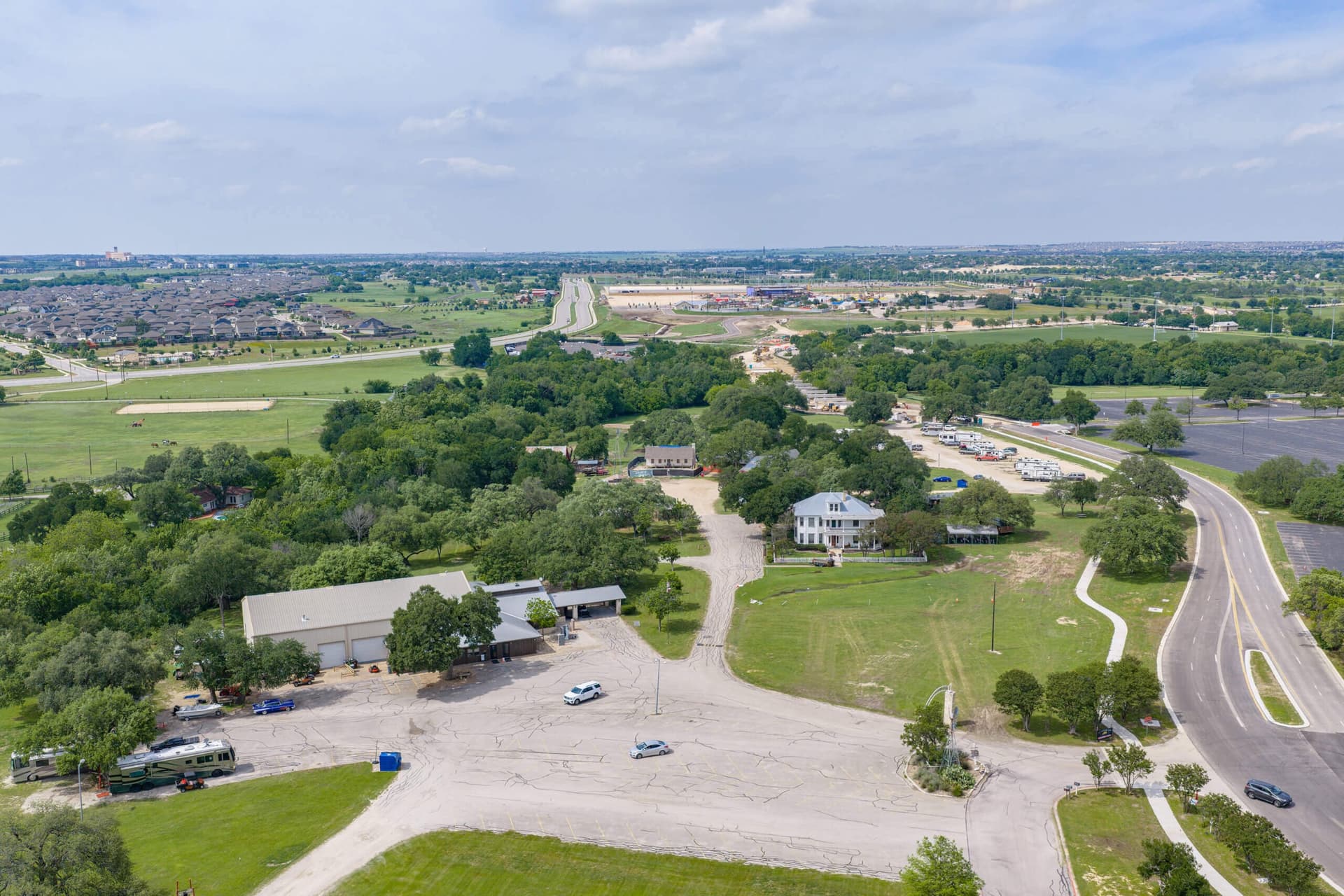
[caption id="attachment_166450" align="aligncenter" width="700"] On June 21, the Federal Aviation Administration announced new rules for flying small—less than 55 pounds—unmanned aerial systems, or drones, for commercial purposes, such as photographing commercial real estate, inspecting utility lines and surveying land for engineering. Beginning in late August, the FAA will roll out the new regulations and allow those interested to take an examination. If they pass the exam and meet certain requirements, applicants will be certified as remote pilots. Previously one had to either be a licensed manned aircraft pilot or receive what was known as a Section 333 exemption from the FAA.[/caption]
Recent federal guidelines that were issued on operating unmanned aerial systems, or drones, should open the floodgates for people to fly drones for business purposes, area experts said.
On June 21, the Federal Aviation Administration announced new rules for flying drones weighing less than 55 pounds for commercial purposes, such as videography, inspections, land surveying and mapping.
“This is absolutely fantastic news,” said Chris Bonnet, partner at Drone Dispatch in Round Rock. “The upcoming regulations is something we have been waiting for, for two years now.”
Bonnet, whose company contracts with drone pilots for jobs such as shooting TV commercials and inspecting bridges, said he expects the new rules to broaden the pilot pool. Until late August, when the rules take effect, drone operators who do not have a manned aircraft pilot’s license must continue to apply for what is known as a Section 333 exemption through the FAA. The FAA has also created a process for waiving the “visual line of sight” stipulation when flying drones, which states an aircraft must stay within the operator’s sight during flight. Bonnet said this waiver opens drone piloting to more applications.
Chris Eyhorn co-founded Austin-based DroneSense, an upcoming software platform, which will plan drone flights for automation and maximum efficiency, he said. The new regulations, along with the launch of a new certificate program to become a so-called “remote pilot” through the FAA, will create a new kind of professional, Eyhorn said.
“I think we’ll see a lot of those unknowns going away, and it will pave the path for more and more people getting into the space,” he said.
It is also cheaper to get credentialed as a commercial drone pilot for $150 compared with the roughly $7,000 it takes to obtain one’s pilot’s license. Other requirements to become a certified drone pilot include being at least 16 years old and passing a Transportation Security Administration background check, according to the FAA’s website.
Brent Hall, owner of Accent Aerial Photography, said he is pleased the FAA has come to realize a pilot’s license is not required to fly a drone.
“A lot of people did it under the radar hoping they wouldn’t get caught,” he said. “Now that [the FAA has] lessened the rules … they actually make sense now.”
Lt. Drew Reyes is assistant program manager for the Austin Fire Department’s Robotic Emergency Deployment, or RED, Team. Reyes said he is cautiously optimistic about the future of drone airspace now that the FAA has loosened restrictions.
“We have to use common sense and good judgment,” he said. “Everybody wants to fly over a raging inferno. The problem is there are critical operations taking place in the air space.”
AFD can use drones and other robotic systems for search-and-rescue operations, wildfires, hazardous materials incidents and reaching high-rise buildings, Reyes said.
“If we could put an unmanned system out ahead of a human being, we’ll absolutely do that,” he said. “That’s where this is going. It will help us operate in a safer capacity.”