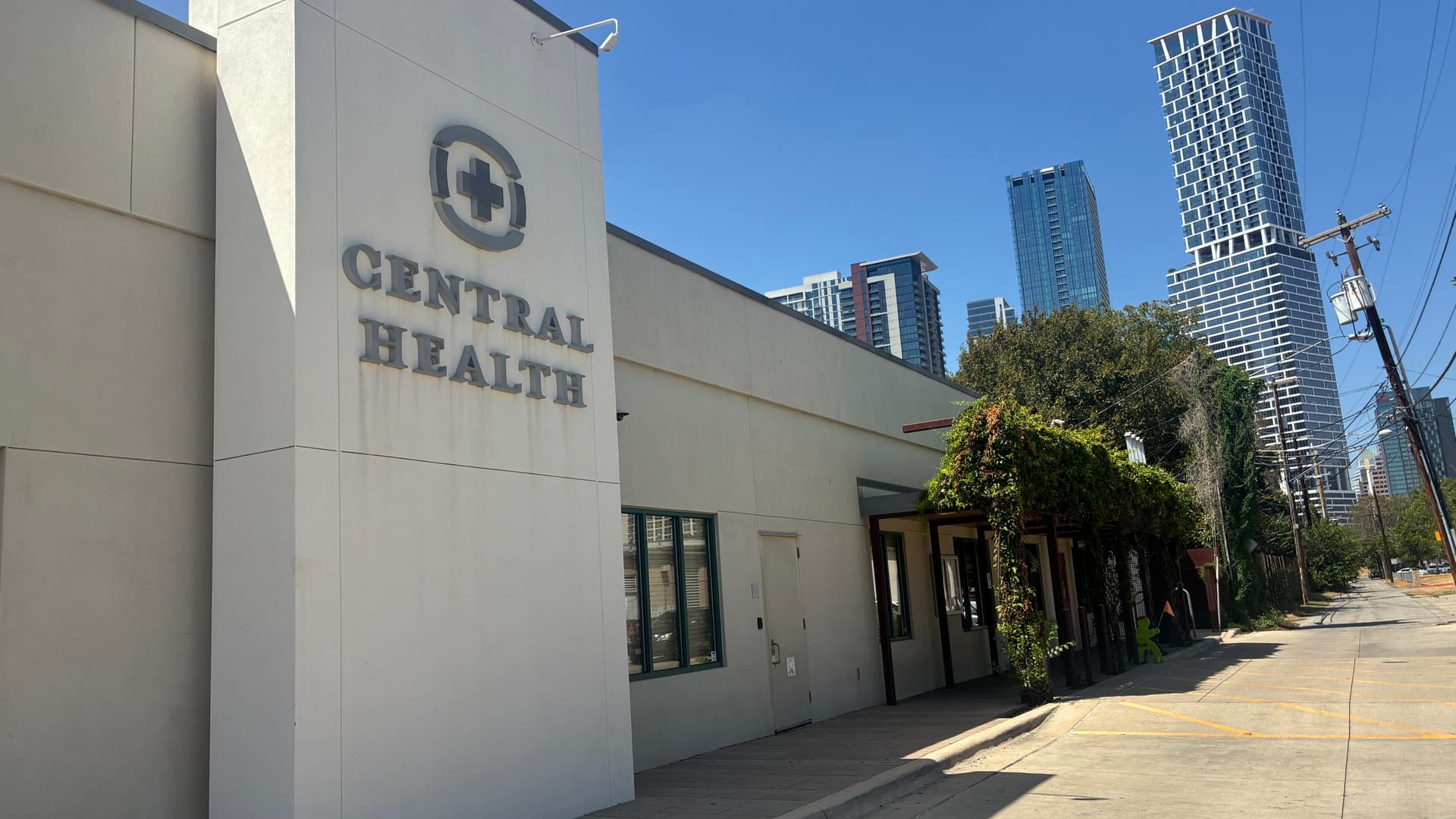
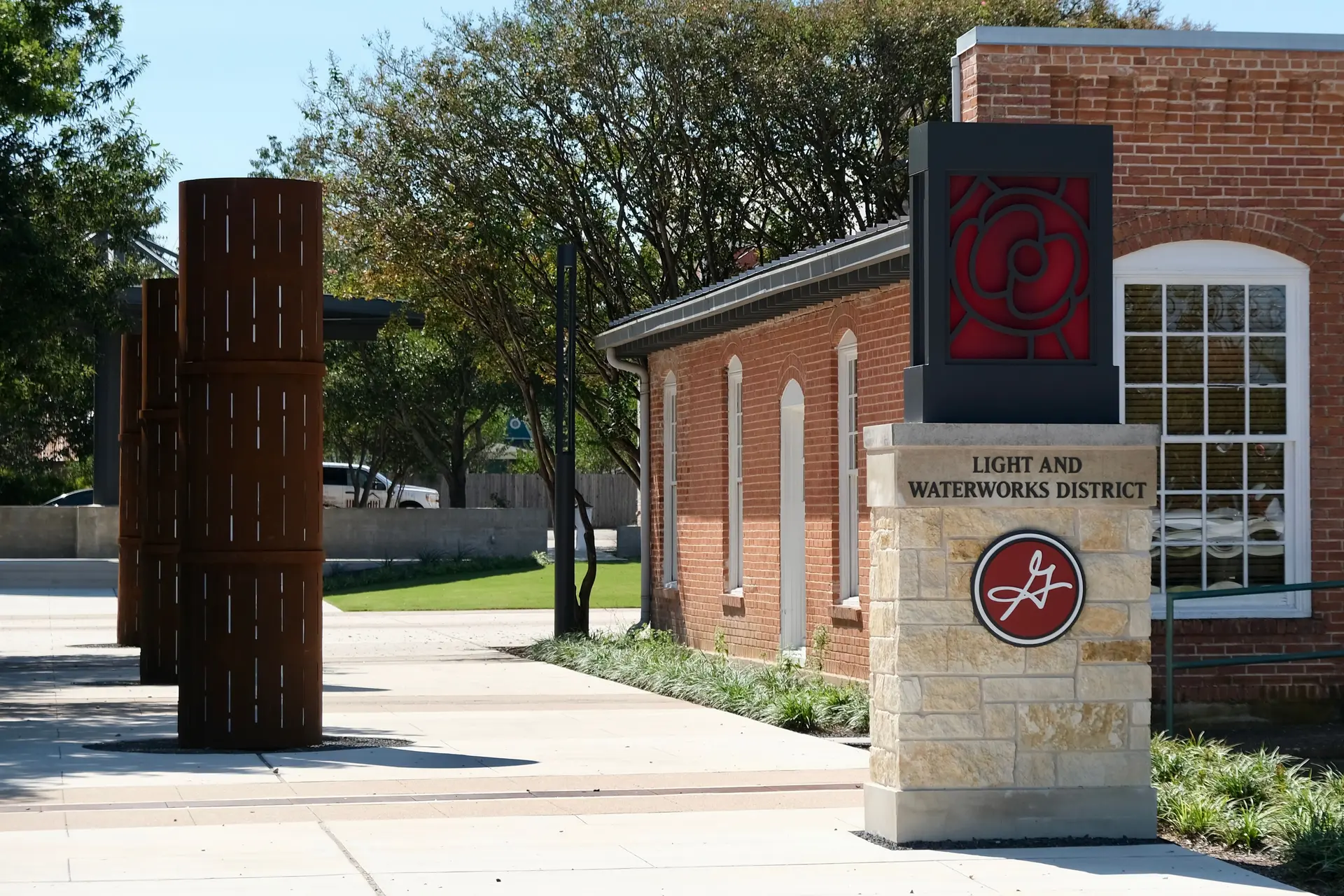
The clinic at 1111 E. Cesar Chavez St. is one of Central Health's 255 current provider locations across Travis County. (Jessica McLaren/Community Impact)
Editor's note: This story was updated to reflect that the No Wrong Door initiative was launched by the city of Austin.
The $650 million operating budget directs $127.5 million total toward crisis and recovery care services, funding new psychiatric beds, a mental health crisis center and expanded treatment access across the county.
Central Health is Travis County's hospital district, funding and coordinating care for low-income residents through partners such as CommUnityCare Health Centers, Sendero Health Plans and local mental health authority Integral Care. Central Health's board of managers first adopted the budget Sept. 9 before Commissioners Court gave it final approval.
Why it matters
About 950 Travis County residents experiencing mental illness cycle among emergency rooms, jails and the street, costing an estimated $137 million annually, or $144,000 per person, according to Meadows Mental Health Public Policy Institute estimates cited in a Sept. 15 statement from Central Health.
Separately, untreated mental health needs among the workforce cost Travis County between $1.1 billion and $1.8 billion annually, Central Health CEO Dr. Pat Lee said at a Sept. 15 news conference.
"For too many people in Travis County, getting mental healthcare means moving from one disconnected system to another, often only during a crisis," he said. "These investments will help connect people to care sooner so fewer are left cycling among emergency rooms, jails and the street."
Some context
Travis County Judge Andy Brown described the funding as building on years of collaborative work between Travis County, its partners and related entities, including the county's diversion pilot dating back to 2023.
Officials said the new $54 million will expand those diversion efforts and help fund components of No Wrong Door, a coordinated crisis response initiative launched by the city of Austin this year with Travis County, Central Health and 15 other partners, including planning and launching a standalone Mental Health Crisis Care Center.
The county will continue tracking results going forward. Brown said Dell Medical School is conducting a deeper analysis of the diversion efforts to determine whether connecting people to treatment reduces their future "cycling through our jails and emergency rooms," a system Brown says "costs taxpayers more in the long run."
"It's not just a mental health issue, but it becomes a public safety issue. It is a health care issue, and it's a matter of basic human dignity," he said at the conference.
The breakdown
The $54 million in new mental health funding includes:
$33.1 million for 22 new inpatient psychiatric beds and 10 psychiatric emergency department bays
$16 million to plan and launch a Mental Health Crisis Care Center, including $3 million for a Sobering Center
$1.5 million for jail-based and justice-involved health support
$1 million for an additional crisis care team, including two psychiatrists, two care managers and one counselor
$1 million to expand medication-assisted treatment
$1 million for long-acting injectable medications
$400,000 for additional psychiatric emergency services through Integral Care
Central Health's board adopted a tax rate of $0.132863 per $100 valuation as part of the budget, raising the median homeowner's annual bill by about $36, according to a Sept. 10 release. More than half of homesteads will see an increase of $22 or less.
The district is also expanding care sites, with Hancock Headquarters' second phase opening in January and further expansions planned at Colony Park, Cameron Center and Northview.
Central Health's Hancock Headquarters on Sept. 15, which is under construction ahead of its Phase 2 opening in January 2027. Jessica McLaren/Community Impact
Existing pilots have already served nearly 15,000 clients, including more than 2,100 people diverted from jail, and produced more than 315 diversion admissions as an alternative to incarceration, Brown said.
What they're saying
Mike McIntyre, a peer support specialist with Integral Care who has navigated his own mental health and substance use recovery, highlighted sustained peer and social support as critical to his sobriety and praised No Wrong Door as the coordinated access model he needed.
"When people are in crisis, navigating a complex system is really difficult," he said.
Mike McIntyre, a peer support specialist with Integral Care, spoke about his recovery journey during a Sept. 15 news conference. Jessica McLaren/Community Impact
Lee framed the new funding as a step toward addressing that complexity directly.
"Central Health now has a fiscal year '27 budget that protects the essential clinical services our patients depend on while committing a historic $54 million in new investments to mental healthcare," Lee said.
Austin Mayor Kirk Watson called the investment an overdue fix to a longstanding gap.
"For too long, gaps in our behavioral health system have meant that people with the most complex needs cycle between the street, emergency departments, jail, and other public systems without ever receiving the sustained care necessary to stabilize," he said in Central Health's Sept. 15 statement. "These investments give us an opportunity to change that."
Central Health Board Chair Geronimo Rodriguez described the commitment as a first step rather than a finished solution, calling it "a historic down payment on the mental health system of care our community needs."
What's next
County and Central Health officials said the new psychiatric beds are the fastest-moving piece of the investment, while the full crisis center build-out will take years.
Austin City Council is expected to receive a briefing on the No Wrong Door initiative during its Oct. 6 work session.