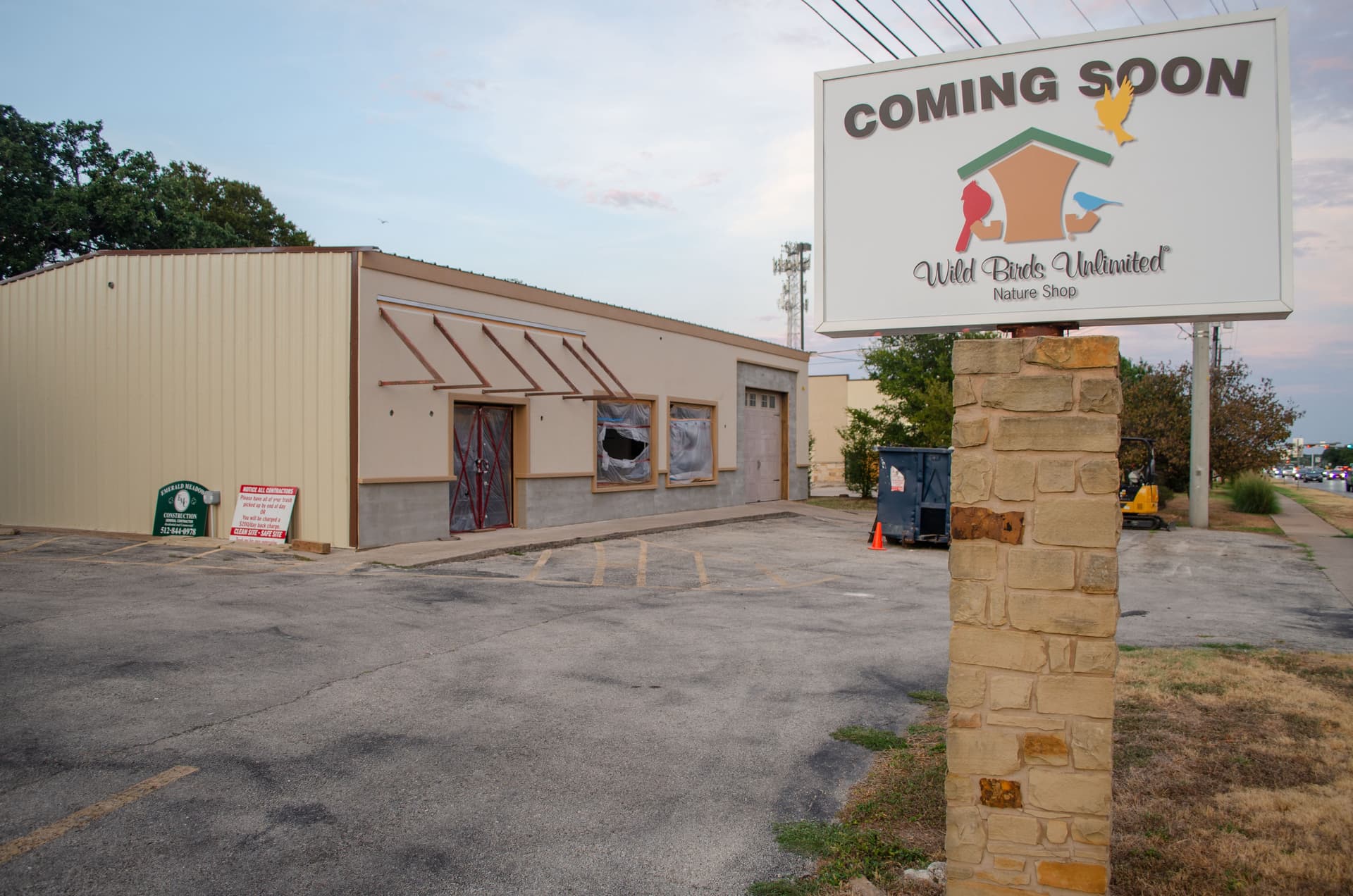
Dr. Henry Higgins said he hopes to transform a vacant car dealership on FM 1431 into a freestanding emergency center by August, starting with a May 23 final hearing before Cedar Park City Council for zoning changes. If his plans proceed, Higgins would debut the second facility of its kind to open in Cedar Park so far this year, contributing to a trend seen throughout Texas.
"It's kind of new to Austin, but they're called freestanding emergency centers. There are a whole bunch in Houston as well as the Dallas–Fort Worth area," Higgins said. "Basically, it's like an emergency department without a hospital. What we are trying to do is set up a locally owned and operated business that serves the eastern portion of Cedar Park for emergency services."
Dr. Henry Higgins said he hopes to transform a vacant car dealership on FM 1431 into a freestanding emergency center by August, starting with a May 23 final hearing before Cedar Park City Council for zoning changes. If his plans proceed, Higgins would debut the second facility of its kind to open in Cedar Park so far this year, contributing to a trend seen throughout Texas.
"It's kind of new to Austin, but they're called freestanding emergency centers. There are a whole bunch in Houston as well as the Dallas–Fort Worth area," Higgins said. "Basically, it's like an emergency department without a hospital. What we are trying to do is set up a locally owned and operated business that serves the eastern portion of Cedar Park for emergency services."
Existing facilities
The proposed freestanding emergency room is slightly different than the two existing emergency facilities in Cedar Park but is slated to offer almost all of the same services. Cedar Park Regional Medical Center, a partner of Seton Healthcare, opened in December 2007, and Scott & White Healthcare's Cedar Park Emergency Hospital opened in February. Both adhere to hospital regulations and can admit patients overnight, whereas freestanding emergency rooms adhere to different standards and have no inpatient capabilities. "The main difference between a hospital and freestanding emergency departments is the level of care provided and services available to treat patients ... as well as what occurs after, when a patient needs continuing acute care," said Brad Holland, CPRMC CEO. "In a freestanding emergency department, the patient is either discharged home or transferred to a hospital for more extensive care. In a hospital, patients have access to a full complement of acute care services and specialty physicians who are on site or on-call for evaluation and treatment." Even with inpatient capabilities, CPEH sometimes transfers patients to other hospitals, said Ernie Bovio, CEO for Scott & White Healthcare–Round Rock Region. Records indicate that in March, CPEH saw an average of 12 patients per day, admitted 13 patients, and transferred 36 patients to other medical facilities. "There are instances where someone would need to be transferred. An example of that would be certain types of trauma, certain types of severe stroke or heart attack," he said. "The emergency department can stabilize all of those patients, and they can get them to the best, nearest and most appropriate facility. Some go to Seton, Dell Children's, Cedar Park Regional or St. David's, but the majority of patients are being transferred to the Scott & White–Round Rock hospital."
Analyzing the trend
Much of Scott & White's desire to open an emergency hospital in Cedar Park was fueled by its goal to expand its medical services to more patients, Bovio said, a trend that has been seen in other Texas cities. The hospital has partnered with Emerus, a Woodlands-based medical group that has established similar emergency hospitals in the Houston and Dallas areas. "One purpose is to provide more access points for a particular hospital system or health care system for their patients," Bovio said. "So instead of building hospitals which are very capital-intensive, this is a way to get into a market and serve a certain need, urgent care and emergency care, and direct those patients into your system." Dr. Angela Gardner, past president of the American College of Emergency Physicians and associate professor at the University of Texas Southwestern Medical Center in Dallas, said the industry trend is founded in population growth. Cedar Park has grown from an estimated 36,510 residents in 2002 to 54,136 in 2012, according to the U.S. Census Bureau. "In all the larger metropolitan areas, there has been growth in the number of freestanding emergency departments. What's really driving that is patient need," she said. "Many times there's been growth in the city with new housing developments and so forth, but there's no need for another [full-scale] hospital. I think a need for services is the biggest driver for these types of facilities, and then the legislation allowed that to happen in a safe way."
History
Three legislative sessions ago, the Texas chapter of ACEP helped the state Legislature establish guidelines to differentiate emergency departments from urgent care clinics, Gardner said. The federal government previously had a moratorium on freestanding emergency departments because some facilities were billing health care providers at an emergency pay rate for non-emergency visits. "A little over 10 years ago in different parts of the country, there were urgent care clinics and just plain clinics that were staying open late and then charging those emergency fees. And those are substantially higher than clinic fees," she said. "Medicare began to get these increased bills and they said, 'We need to look at this and see if it fits our criteria or not,' and they actually stopped paying for all of those." Gardner said once the federal government, and subsequently the state Legislature, defined the requirements of an emergency facility, the industry had room to expand.