Brazos County is exploring a program that would require repeat driving while intoxicated, or DWI, offenders to undergo twice-daily alcohol testing as officials look for ways to reduce impaired driving and improve public safety.
Commissioners received a presentation July 28 on the potential sobriety monitoring program aimed at reducing repeat drunk driving offenses while allowing participants to remain in the community under close supervision.
About the program
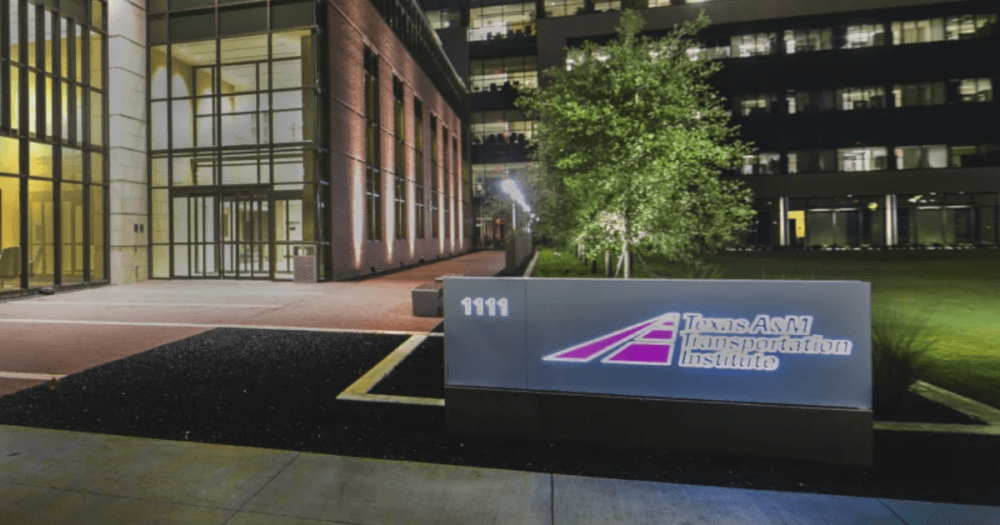
Christine Adams with the Texas A&M Transportation Institute’s Center for Alcohol and Drug Education Studies, or CADES, presented the 24/7 Sobriety Program as an evidence-based model that has operated for more than two decades in other states.
24/7 Sobriety first launched in South Dakota in 2005. After three years, CADES said 91% of second-time offenders had no new offenses. The company’s studies show the program also links to declines in alcohol-related crashes and domestic violence, according to Adams’ presentation.
Who it’s for
The program is designed primarily for people arrested for multiple DWI offenses or those with increased circumstances, such as:
- Blood alcohol concentration above 0.15
- Driving with a child passenger
- Driving in an active school zone
Participants report twice daily, typically before and after work, for breath alcohol testing and are subject to random drug tests. Adams said frequent testing combined with immediate, modest sanctions for violations has been shown to reduce repeat impaired driving and other alcohol-related offenses.
“The frequent alcohol testing with the swift, certain and modest sanctions is what creates the improved public safety,” Adams said.
Participants who fail or miss a test could face immediate penalties, including a 12-hour jail hold for a first violation, increasing for subsequent violations. Adams said individual jurisdictions determine their own sanction structure, with some considering community service instead of jail time.
She said the program also provides an alternative to incarceration by allowing participants to continue working and maintaining family responsibilities while under court or probation supervision.
Funding the project
Adams said the program is funded through a Texas Department of Transportation initiative to help counties evaluate whether the strategy would work locally.
She also said the program operates under an offender-pay model that becomes self-sustaining once participation reaches a certain level. Startup costs could be covered through grant funding from a Houston-based foundation interested in studying the program from its inception, with additional funding opportunities available through TxDOT if needed.
What’s next?
Brazos and Smith counties are currently working through a stakeholder advisory group, Adams said, to determine how the program would operate locally, including testing locations, eligibility requirements and sanctions. Adams said data would be collected throughout implementation to evaluate the program’s effectiveness and make adjustments if needed.
Commissioners did not take action following the presentation.
Also on the agenda
Commissioners unanimously approved a resolution committing $20 million in fund balance toward deferred maintenance projects in fiscal year 2026-27. County Project Manager Trevor Lansdown said the increase from the previously planned $10 million would address roughly 76% of the most critical maintenance needs identified in four county facilities, though additional work remains.
Additionally, Texas A&M outlined what students, faculty, staff and supporters can expect as the university enters its 150th, or sesquicentennial, this fall. Celebrations include:
- Opening ceremony followed by a “Special Edition Yell Practice” on Oct. 2
- Sesquicentennial speaker series running October through April 2027
- Aggie Family Parade on April 10, 2027
This is not an exhaustive list.