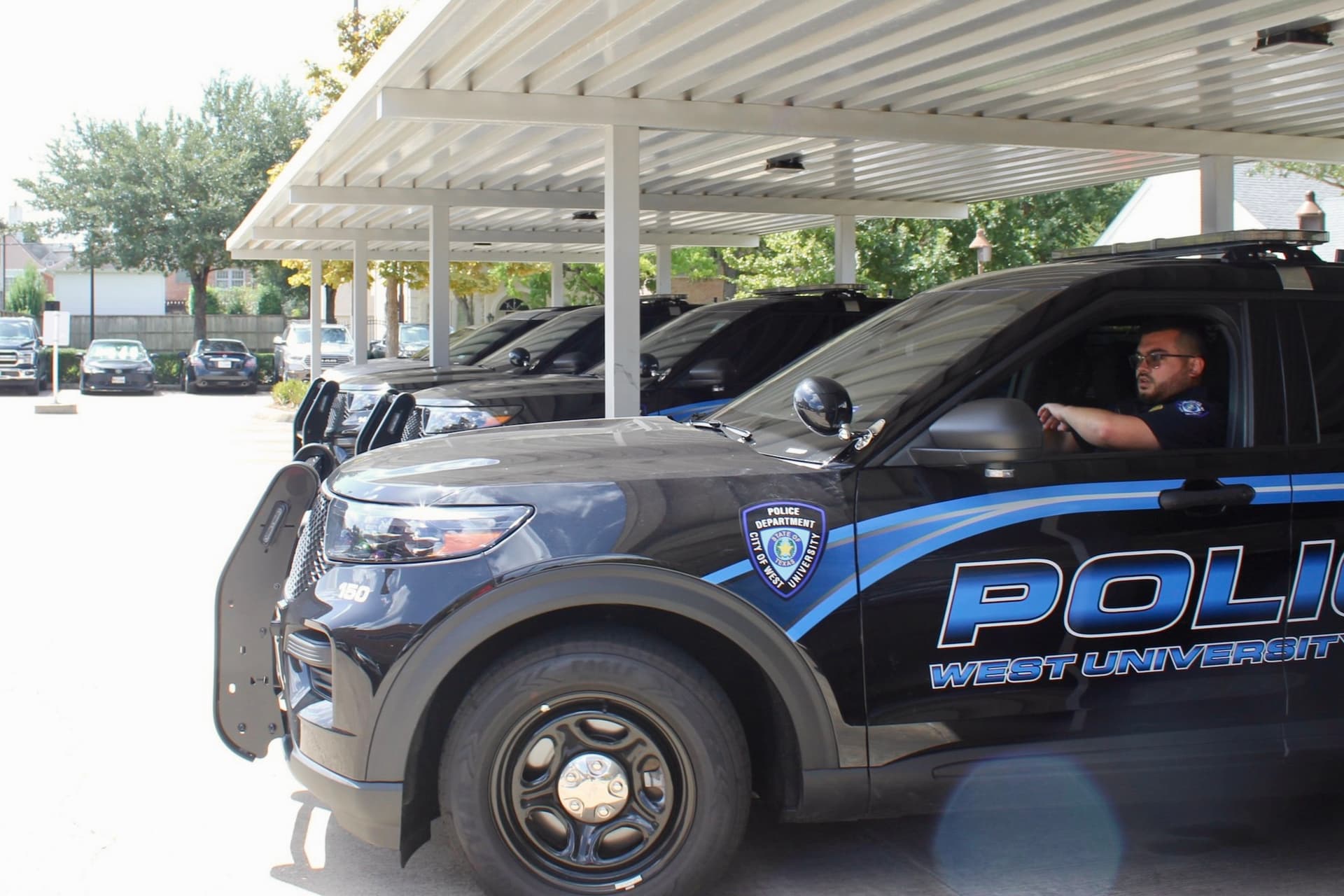
West University Place officials are considering whether home demolitions affect neighborhood air quality enough to warrant new regulations.
What happened
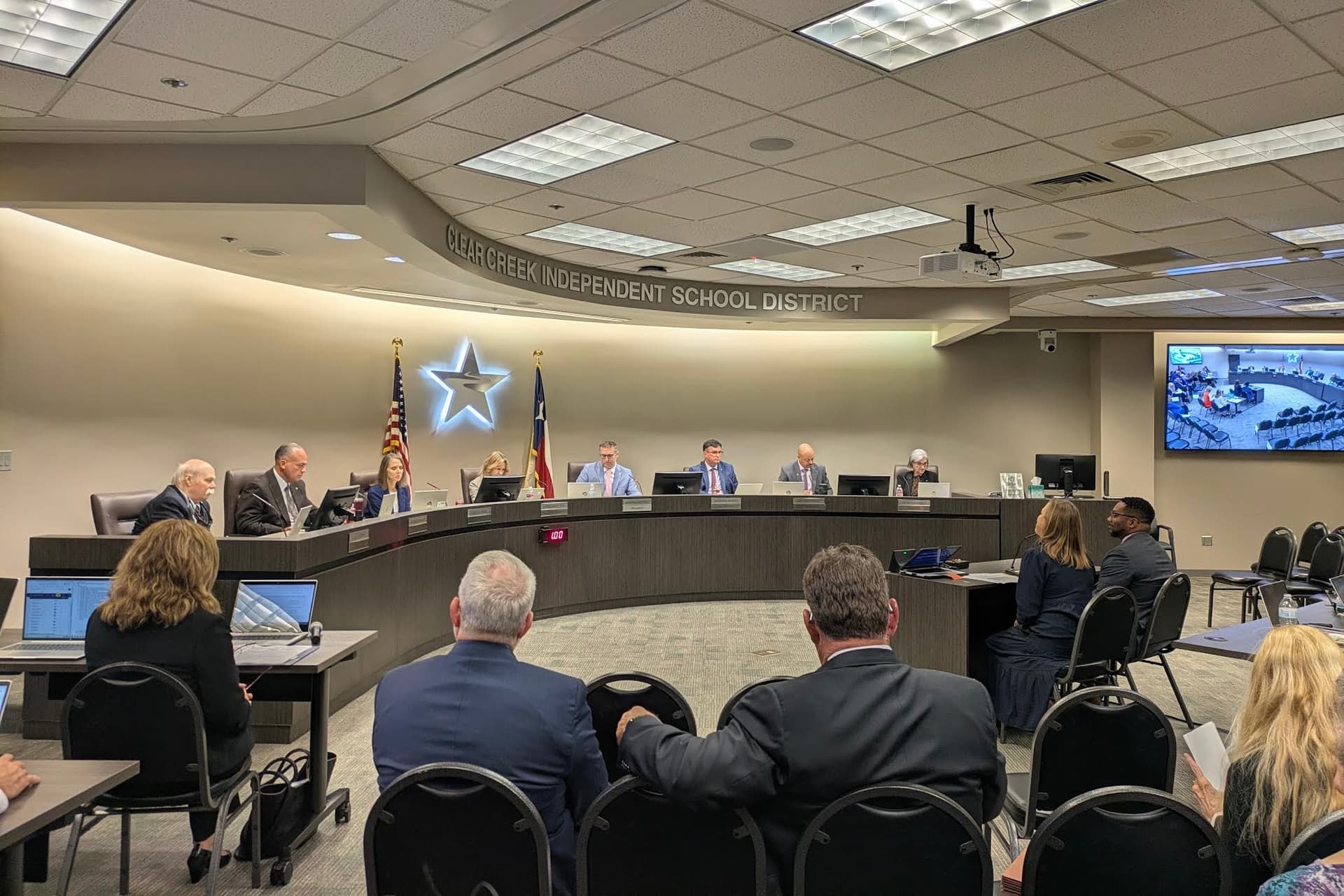
During a February council meeting, officials asked staff to examine how other cities regulate residential demolitions and leaf blowers following concerns about air quality.
Public Works Director Michael Leech said West U currently follows state law, which requires asbestos testing for commercial demolitions but not residential properties. In comparison, Leech pointed out that Houston requires asbestos testing before residential demolitions.
The city of West U, however, can provide testing for a fee, he said.
“Anywhere between $400 and $1,000—that depends on the size of your house—can get you an asbestos assessment,” he said. “It can also get you a lead paint assessment.”
That price does not include remediation if lead or asbestos is present, he said.
In other news
Leech also presented an option to monitor air quality at up to 10 demolition sites. The proposal would cost about $30,000 and would likely require hiring a third-party consultant because of the technical nature of air quality monitoring.
Leech also presented a draft ordinance that would prohibit leaf blowers from being used in public streets and rights-of-way. He said they were unable to find comparable ordinances in Texas and noted that state law prevents cities from banning gas-powered leaf blowers without also banning electric models.
However, Mayor Susan Sample said she felt that adding to the ordinance would be “over-legislating.”
The proposal would have carried fines of up to $200 for violations.
Staff also estimated the city could spend up to $120,000 annually if it replaced leaf blowers with rakes for its own landscaping operations. Council ultimately decided not to move forward with the ordinance, but instead to look at the ability to enforce laws against blowing debris into storm drains.
One more thing
Officials said they will return to council after reviewing available research on demolition-related air quality to determine whether additional monitoring or future ordinance changes should be considered.