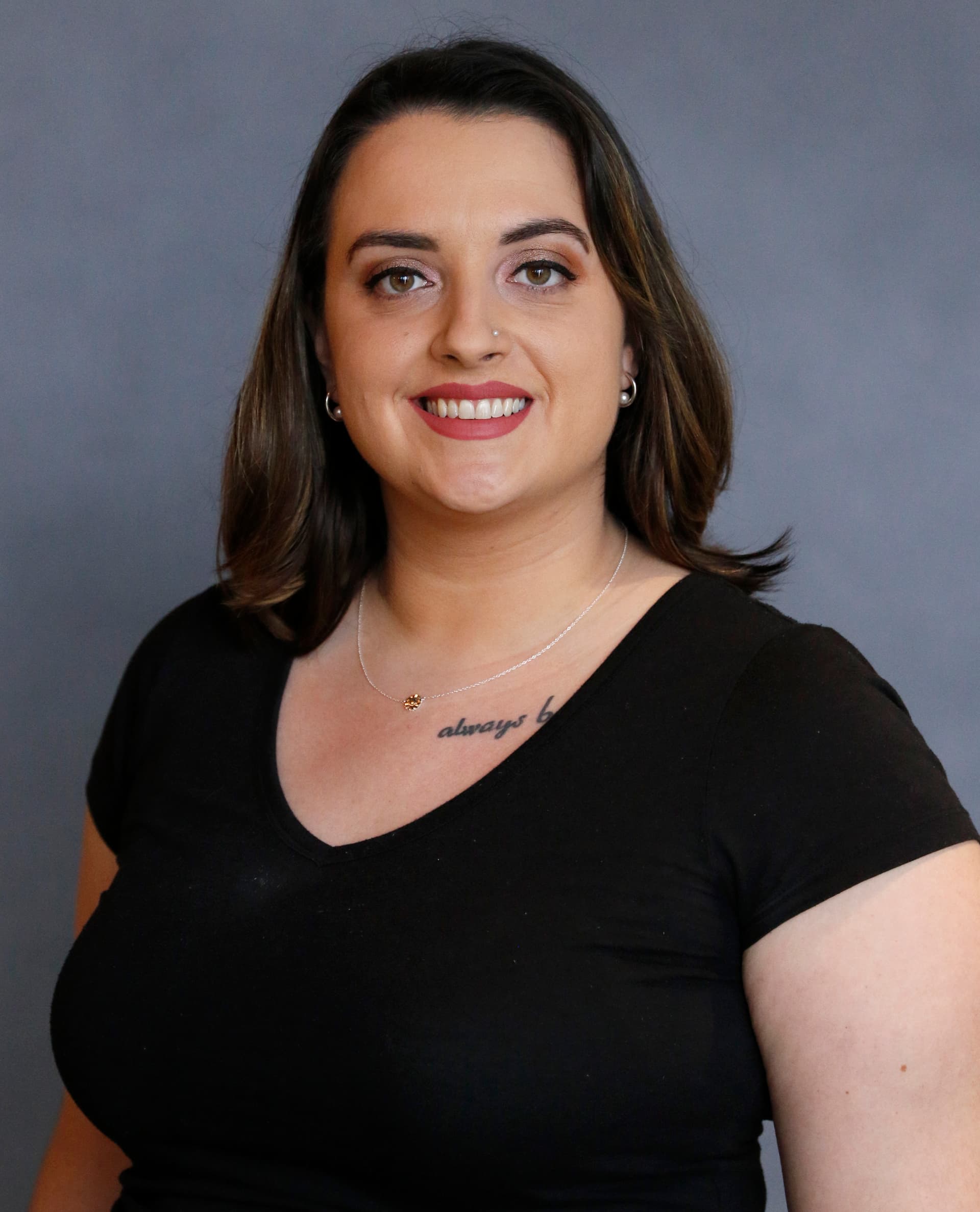





The coronavirus pandemic has upended various aspects of normal life, including the ways in which people are able to experience loss, making self-care more important now than ever, according to a League City resident who teaches in the family therapy department at University of Houston-Clear Lake.
As various hospitals ban visitors in an attempt to help contain the spread of the virus, the separation of sick patients from their family members and friends creates a “slow burn” of grief and loss, said Emily Fessler, UHCL associate professor of marriage and family therapy, in a news release. Across societies and cultures, families have come up with traditions to honor the person who died and help manage the grief that comes with losing a loved one, but social distancing practices undermine many of these rituals, she said.
“As a mental health professional, I know people go through a period of anticipatory grief, whether someone is dying of COVID-19 or something else. You know they’re dying,” she said in the release. “You feel guilty because you can’t be there with them in their final moments, which means you can’t get the closure you want and need.”
Although the virus has decimated traditional support systems, Fessler said reaching out to family—whether via video chat, phone calls or old-fashioned letter writing software—is an essential self-care act during this time of increased isolation. For those in need of further care, the increased availability of telehealth means that despite many doctor's offices and clinics closing their physical locations, there is no need to suffer alone, she said.