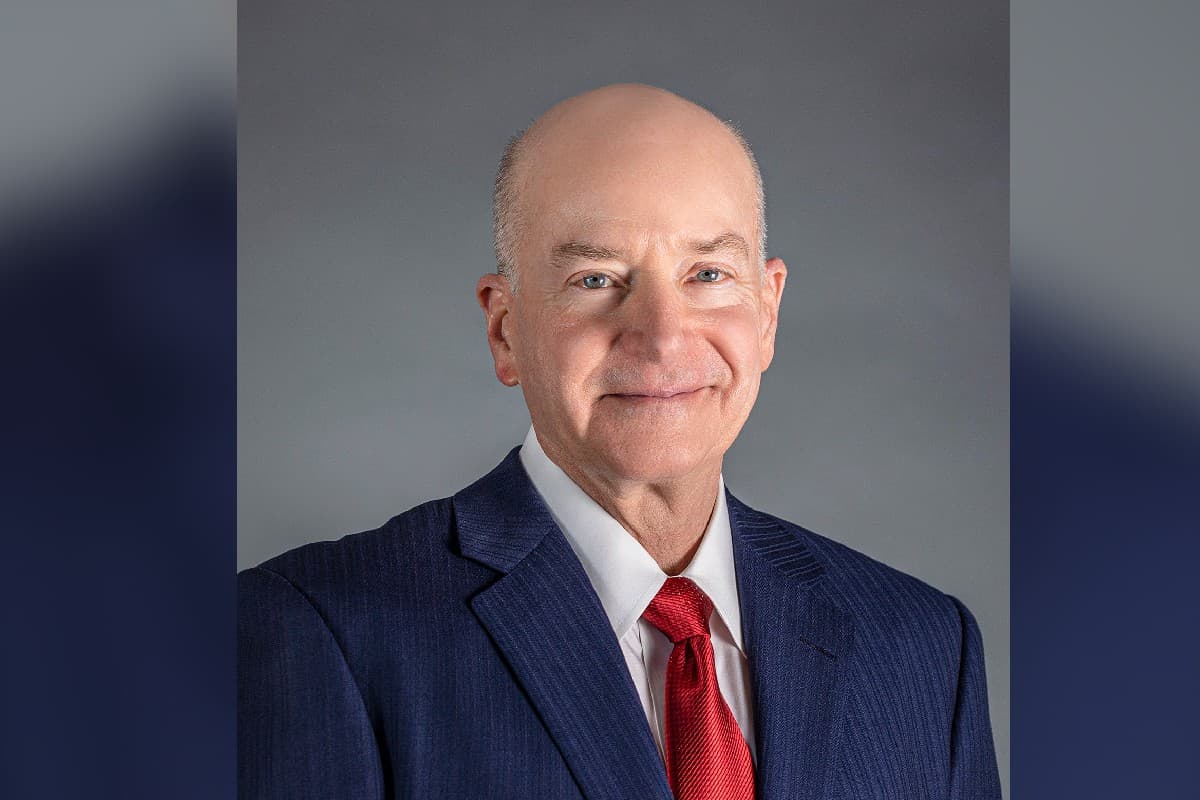
 Michael Shawn Kelly

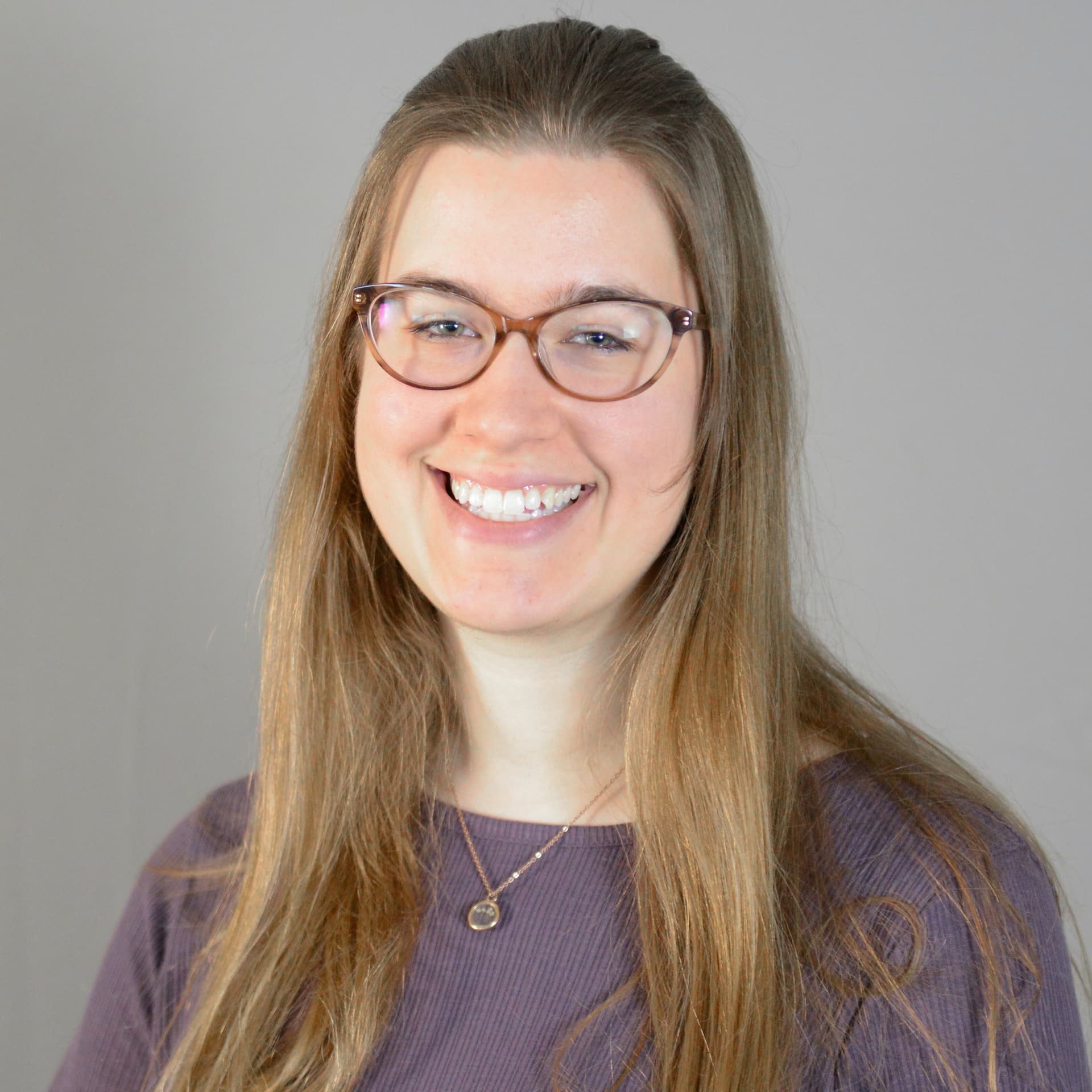
Email: [email protected] Phone: 281-350-0515 Website: www.campaigntexas.com Michael Shawn Kelly has degrees in floriculture and landscape architecture from Texas A&M University. Kelly is the founder and chief architect of Mirror Lakes Design in Spring and has lived in District 150 for more than 35 years with his wife, children and grandchildren.
What makes you uniquely qualified to represent District 150?
I have a business, and I’ve had it here for 35 years. Because I’m a landscape architect, not a landscaper, the projects we do are about outdoor living. Obviously I’ve talked in that time with thousands of families we’ve worked for, and in doing so, the same questions come up all the time, and generally it’s about how they want to live and the things that are important to them. You don’t spend $150,000 on your backyard without a little bit of consideration on how long you’re going to live in a place, how long you’re going to be staying there, the quality of the schools [and] how the neighborhood is turning out. Those are just real critical things, and I think I’ve got a much deeper insight into what people are looking for, because for 35 years I’ve been talking to people about how they want their families to live and grow in the area. That’s essentially the job of a state representative—to make sure the opportunities are there for the people in the area to always have a better life. I understand the value of hard work. I understand the value of consistency.What do you believe are the biggest challenges facing District 150?
The quality of life, undoubtedly. When you talk about the quality of life, there are really two major issues that affect it. I’m talking about the opportunity [people] have to be successful for whatever they set forth as their dream. In order for the neighborhood to do well, in order for families to do well, it comes down to the way the area is being developed around [families] and [the quality of] the schools. Everything comes down to those issues. The quality of a neighborhood has a whole lot to do with the development around it. The quality of the schools has a lot to do with the development. There’s one issue that I think is the biggest issue: how we decide where subsidized housing goes. I’ve seen more areas become destroyed because of subsidized housing. It has nothing to do with race or anything like that; it’s the architecture. What we do right now is planned failure. We bring in these homes that fall apart. [Developers] build horrible places, and because of that, it has a huge impact on the neighborhoods around. It really cuts across the aisle; it doesn’t matter if you are a reactionary Republican or hair-on-fire liberal. If you have bought the house where you plan on living and [developers] build a very cheaply subsidized housing project across from your subdivision, your neighborhood values go down, businesses start falling apart, crime goes up and the school system falls apart. I’m not saying that we shouldn’t help people, we just have to come up with a better way of doing it. We’ve got some of the greatest architecture schools in the state. We have some of the greatest real estate development programs in our colleges and universities. We have some of the greatest social science programs in the state. I think we should probably do a few studies to try to come up with something that works better, not just say, “No,” because that’s the Republican way of saying, “I don’t like it.” My feeling is you take something that’s not working well, stop that, [and] come up with a better way of doing it. Come up with something that does work, that’s equitable and doesn’t destroy neighborhoods. That is probably the biggest difference between myself and my opponent—she says she might be against it, but she’s got a lot of backers that are developers. We’re about the only place around here that doesn’t have subsidized housing that’s destroyed schools, and I’ve seen it in working here for 35 years. What ties into that is schools. We keep asking our teachers to do more and more with less and less, and it’s ridiculous. I put four kids through private school for their early years, but I think we really run into problems when we don’t take care of our public schools, because you can go to any area, again, and see that the neighborhoods are only as good as the schools that the neighborhoods feed into. So you start having the schools fall apart, and the neighborhoods go down the tubes. That’s what I’ve seen in 35 years of working with people: if the schools are strong, if the neighborhoods are strong, then everyone has a chance to do well. As soon as a neighborhood goes down the tubes and starts having high crime, you got renter turnover and that sort of thing, [and] you end up with problems.How would you respond to these challenges?
I’ve talked to about 40 or 50 teachers and they’ve talked to many teachers. I got these teachers together and said, “What would you do? What if you could do anything you wanted to do to make things better [in the classroom]?” I’ve talked to teachers over in Spring [ISD], over in Tomball [ISD] and here in Klein [ISD]. The amazing thing was, they almost all agreed. First of all they didn’t ask for more money. No one asked for more money. They want the conditions so they can be successful. All they really want is to have a class size that’s manageable. They want to have the materials that they need so they’re not digging into their own pockets to buy materials, and they want to have the time to be effective. Right now, we’re not doing any of that through our Legislature. We’re putting too many kids in class, we’re not getting the materials they need, and we’re giving these ridiculous dates that the kids have to [have learned a topic] by then. What I’ve learned [at my business] is if I don’t make sure the guys with the shovels have what they need to get the job done, if I haven’t made it very clear of what we’re trying to build, [and] if I haven’t made it very easy for them to have what they need to do a good job, then the project doesn’t work out right and we don’t achieve our goal. It’s no different in teaching. In education, the teachers are the ones in the field. But we’ve got all these supposed geniuses in business in the Republican party, and they’re sending out a bunch of guys to do a project and they’re not giving them the right equipment; it’s all busted. They’re not giving them clear, set goals. They’re telling them to do a five-week project in two days, and they’re telling them to buy the equipment on their own. That’s what we’re doing for our teachers. It probably will take more money. But the thing is, we need twice as many teachers, and we need them right now. We need to group the kids according to their learning abilities. Right now after we skim off the top five percent [in the gifted and talented program], we’re putting the other 95 percent all in one group. In fact if we took care of our education problem here in Texas, that would probably take care of 95 percent of all the other problems we have, because we keep dealing with issues that are being caused by those who haven’t received the education they need. [In regard to subsidized housing], that would be a straight out "no" to how they're doing it. The developers are very powerful with the amount of money they have. The Senate has already given up its power to stop developers. My predecessor, Debbie Riddle, the one thing we agree on is we have to straight up stop what [developers are] doing. You can do that because every rep[resentative] has a certain number of points [he or she] can use to stop a project. This is one area the answer is no. You just don’t build it. You got to come up with a better way of doing it. Right now everything is planned slums; there’s not been one done around here that’s turned out right. You have to look into doing it a better way. You actually go ahead and do some grants to our universities here and tell them to come up with some ideas. Sometimes a little bit of money spent there will take care of all the problems of doing something wrong. I’m not afraid to spend a little bit of money. I’m not afraid to spend a little bit of my money or a little bit of taxpayer money to come up [with ways] of doing [subsidized housing] better. Maybe we run a pilot project some place. But you just don’t allow these developers who all they care about is turning a quick buck to come in and build, because that’s what’s going to hurt everything around.If elected, what is the first thing that you would address?
I think what we need to do is frame the issues so that people here understand them. There’s a huge communication break. And it’s because of the sound-bite politics. One thing that is a huge difference between myself and my opponent is she has said she will not work with any Democrat at all, period, and she will not work with a lot of Republicans—only what they call the conservative Republicans. I’m not going to give up the vocabulary on any battle. I’m not going to allow people to get painted into a corner. I’m 60 years old and you’re not going to get me rough by calling me names. But I think we need to understand some of the impacts of things we do. Instead of talking about, “We got to get control of the budget,” sometimes we have to say, “What you’re trying to do is make sure our teachers have more work to do with less money and more kids. Do you understand that this bill that we’re about to pass right here is guaranteed to hurt the education of your kids and grandchildren? Make sure you understand that. Make sure you understand exactly what that means.” And that doesn’t happen. I think people are afraid to say exactly what the impact is [of] a lot of the bills that we have, and I think that it’s very important. Going back to subsidized housing, everyone is for helping people out, but no one wants to see neighborhoods destroyed. There’s got to be that dialogue. Someone’s got to bring up and start talking about the elephant in the room sometimes. I’m willing to do that. A lot of times people just don’t understand each other, and I think that it’s very critical that the bills we pass and the consequences on those actions is understood by people. For example, Proposition 1 [that was passed last year] was billed as a tax savings measure instead of a teacher shortage measure. It’s all in how you frame it. We’re hurting everybody by not taking care of the schools. It hurts our neighborhoods, it hurts our businesses, it hurts our families. It even hurts our churches. Everything goes down the tubes. The school is the foundation for everything we do. If there’s anything we should spend money on, it should be the schools. Save it on something else. But if we have uneducated kids running around, it’s game over. Valoree Swanson

Email: [email protected] Phone: 832-510-4520 Website: www.valoreeswanson.com Valoree Swanson has lived in the community for 13 years and in Harris County for 36 years. Swanson previously worked in commercial real estate and has a bachelor’s degree in business administration from Baylor University.
What makes you uniquely qualified to represent District 150?
I share the conservative values of the district and have been fighting for our issues for many years. I raised four children in the district. I have two biological children and adopted two teens from [Child Protective Services]. I have homeschooled and had kids in public and private school, so I understand and want to improve the education system. My long-term involvement in the community and in state issues has given me understanding of the issues and working relationships with community leaders. Actions speak louder than words, and I have consistently volunteered for conservative principles my whole life.What do you believe are the biggest challenges facing District 150?
[The biggest challenges are] improving education, improving safety, preserving our quality of life and protecting our constitutional rights.
How would you respond to these challenges?
I will work with the State Board of Education to focus on education and not just test-taking. I will work to block low-income government housing in our communities. I will work to help law enforcement have the manpower and tools they need to keep our streets safe. I will strongly defend our constitutional rights, such as free speech, religious liberty and the Second Amendment.